 名古屋帯
名古屋帯
 袋帯
袋帯
 紬・綿・自然布
 小紋・江戸小紋
 訪問着・付下げ・色無地ほか
 浴衣・半巾帯
 羽織・コート
 肌着
肌着
 小物
小物
 履物
履物
 書籍
書籍
 長襦袢
長襦袢
 小物
小物
 帯
帯
 お召
お召
 小紋・江戸小紋
 紬・綿・自然布
 袴
袴
 長襦袢
長襦袢
 浴衣
浴衣
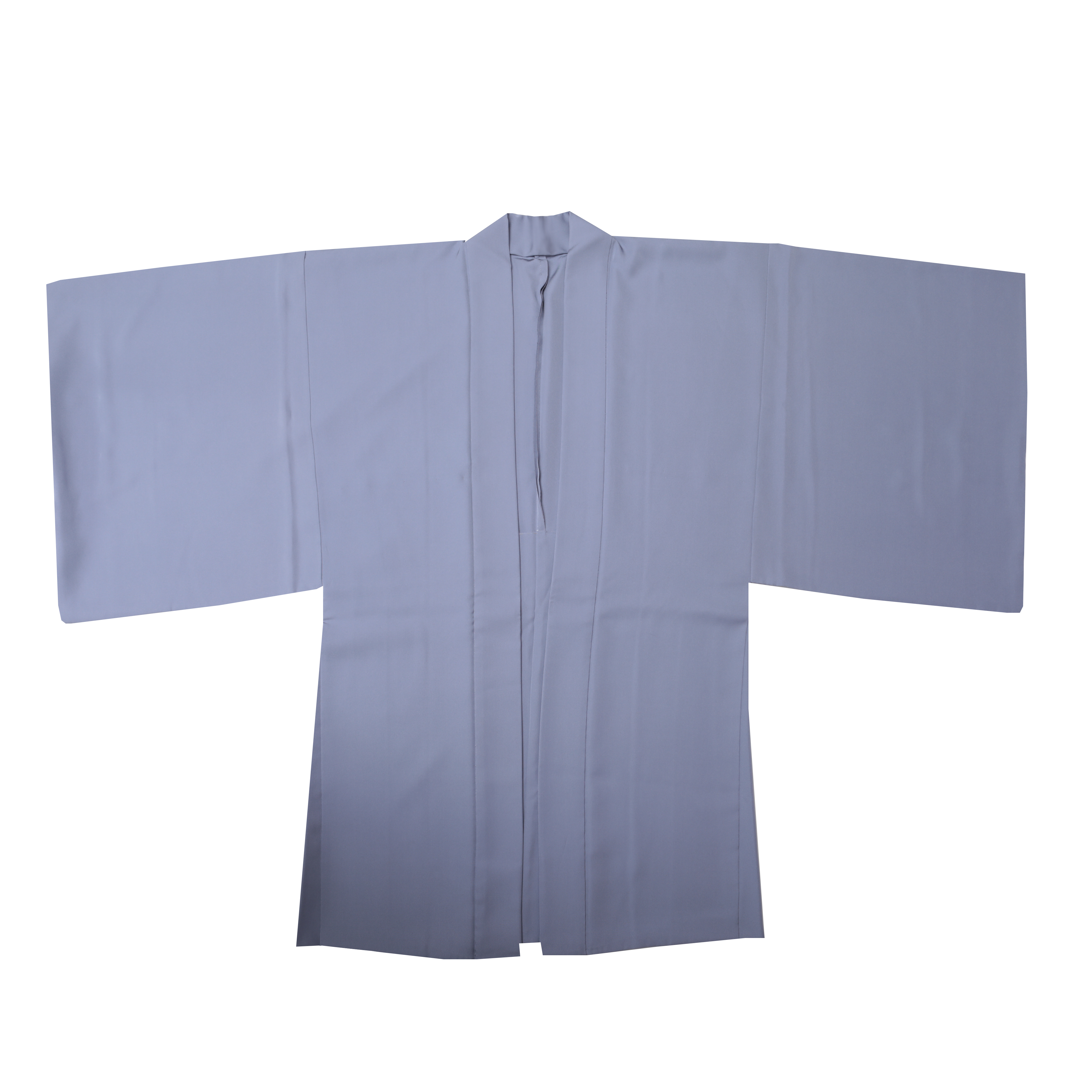 羽織・コート
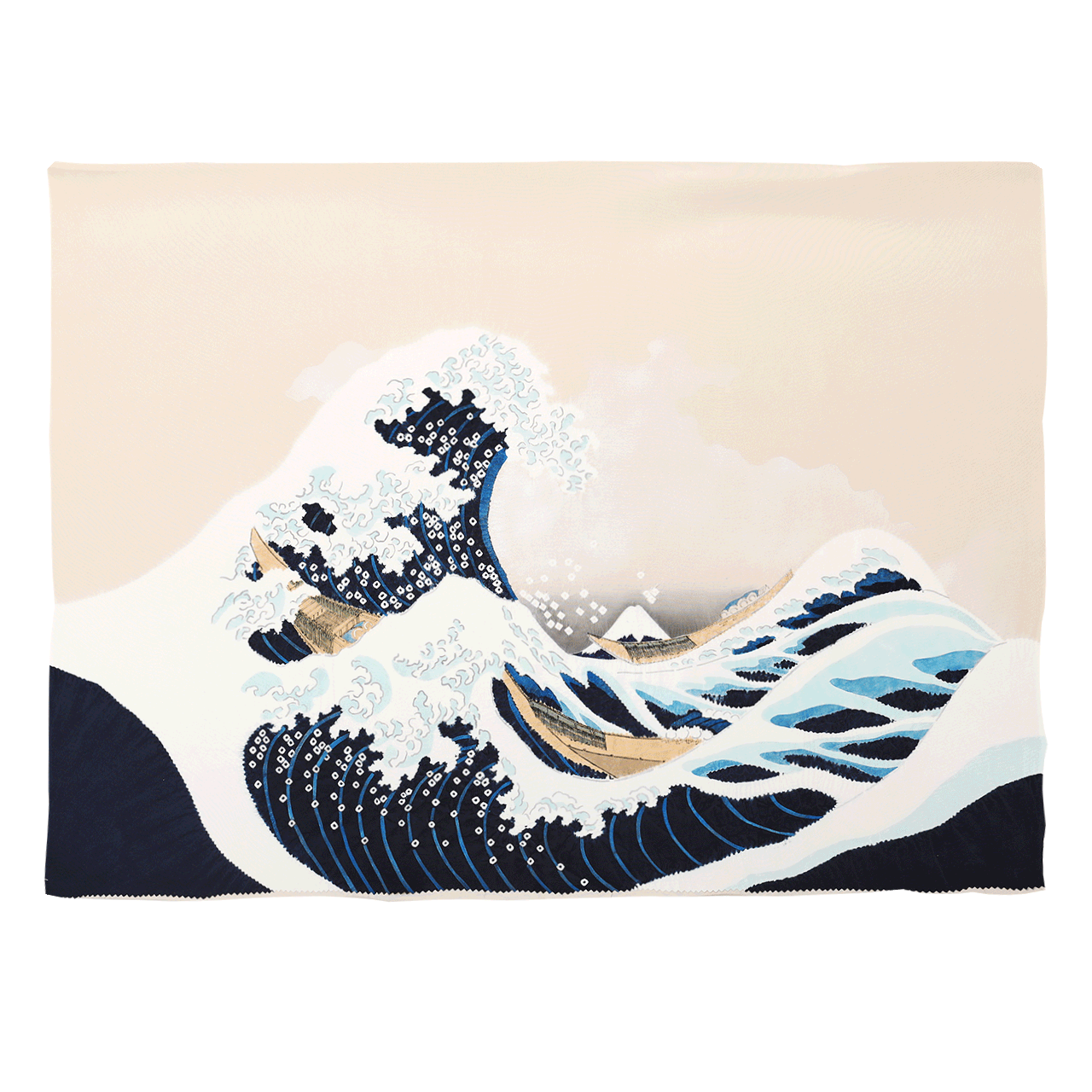 額裏
額裏
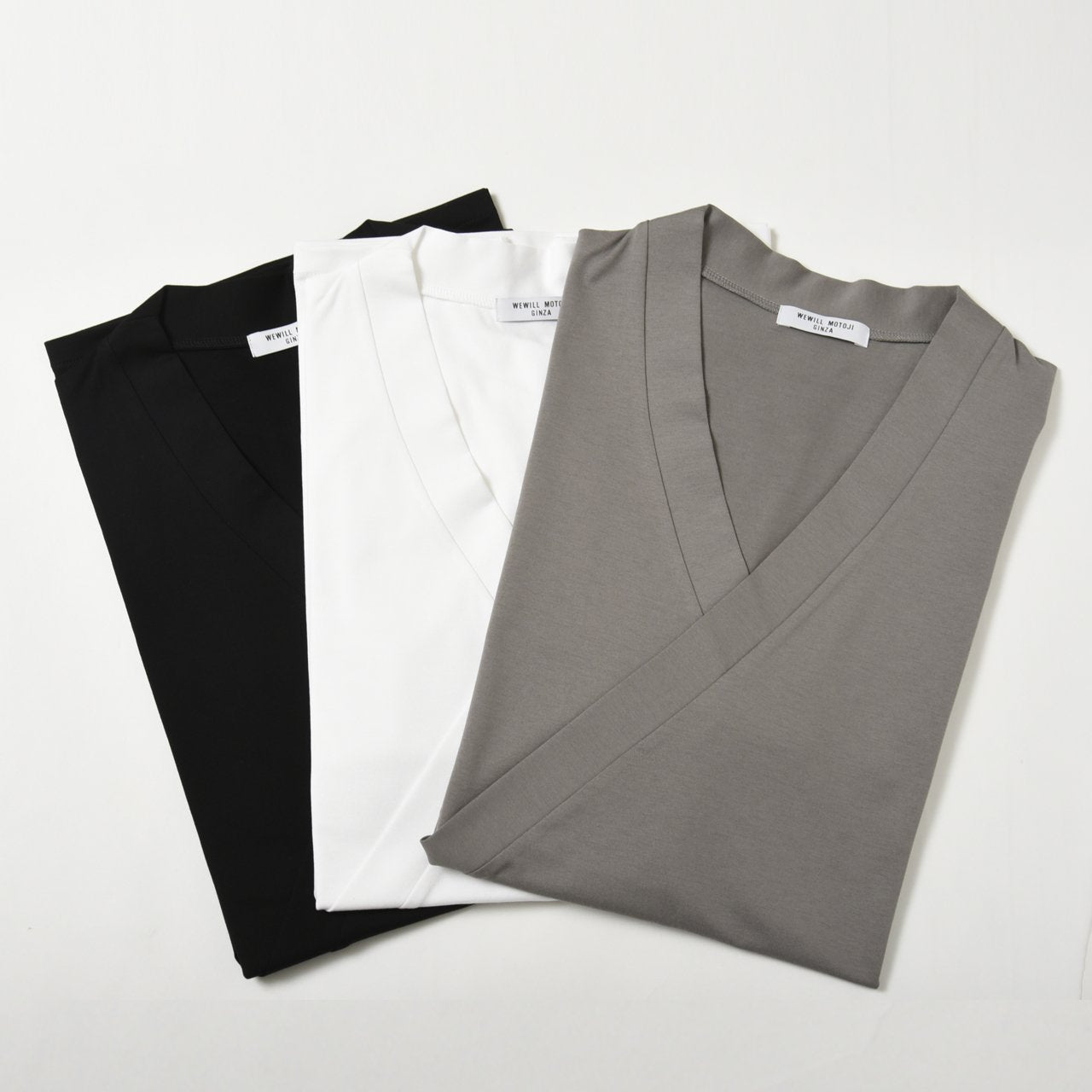 肌着
肌着
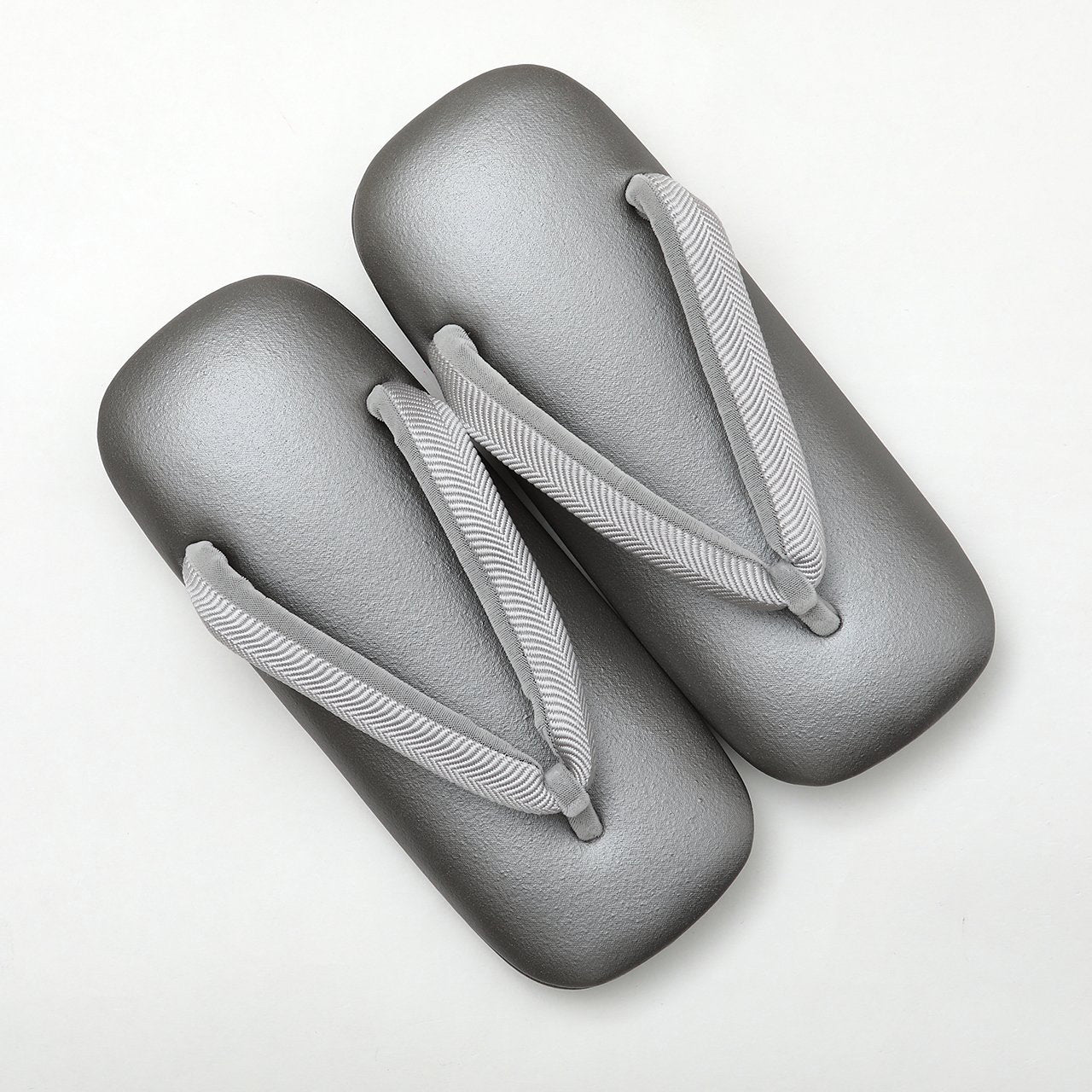 履物
履物
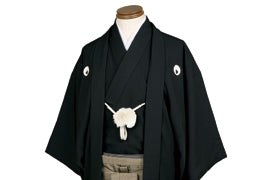 紋付
紋付
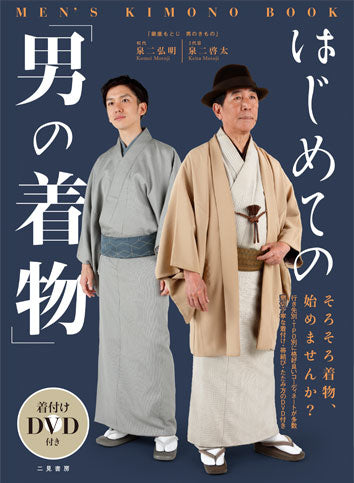 書籍
書籍

Showmura, Fukushima - The town that keeps the weavers of Echigo Joufu and Ojiya chijimi weaving

In Showa Village, karamushi-yaki is carried out around the time of Shoman, one of the twenty-four seasonal divisions of the traditional calendar.
We visited during this season and had the opportunity to hear from members of the preservation association about the work behind the raw material used for Echigo Jofu and Ojiya Chijimi. They spoke to us about each stage, from the cultivation of karamushi to the process of stripping the fiber.
Karamushi is a perennial plant of the nettle family, also known as choma or ramie.
The cool and refined textiles of Echigo Jofu and Ojiya Chijimi are supported not only by the skill of the weavers, but also by the careful preparation of the raw material before weaving begins. Without the raw material, there can be no thread. Without thread, the work cannot be passed on to the weavers.
This visit gave us the chance to see where that long process begins.
Karamushi, the Fiber Behind Echigo Jofu and Ojiya Chijimi

Karamushi is a perennial plant of the nettle family. It is also commonly known as ramie, or choma, but in Showa Village it has long been called karamushi. In some regions, the fiber is known as aoso, meaning “blue ramie,” because of its faint bluish tone and pearl-like sheen.
Karamushi from Showa Village has long been supplied as the raw material for renowned textiles such as Echigo Jofu and Ojiya Chijimi. The techniques used to cultivate the plant and extract its fibre have been passed down continuously through generations. Today, Echigo Jofu and Ojiya Chijimi are registered as UNESCO Intangible Cultural Heritage, and at the very beginning of these remarkable textiles lies the karamushi of Showa Village.
The burning of the Karamushi fields

The burning of the Karamushi Fields
Karamushi-yaki is carried out by burning away the first shoots that appear. This stimulates the roots and helps the new shoots grow more evenly. It also helps prevent pests, while the ash left after burning serves as fertilizer.
After the burning is finished, the field is watered thoroughly, organic fertilizer is spread, and straw is laid over the ground. Reed fences and supports are then installed to help prevent the karamushi plants bumping into eachother in the wind. It also keeps animals from entering the field.
According to the members of the preservation association, karamushi-yaki is usually carried out on during shoman. This year, however, rain was forecast, so the farmers had begun burning the fields a few days earlier, watching the weather closely as they worked.
Working with nature, they judge the best timing through years of experience and instinct. Seeing this process made us feel how each of these careful decisions contributes to the making of high-quality raw material.
From Chairman to the field

The field we were shown belongs to the former chairman of the association, who is now 85 years old.
We had been told that the burning would begin around 6 p.m., but by the time we arrived, the field was already a low lying, black, and smoking. They were in the middle of watering it thoroughly.

They had started a little earlier than planned because rain seemed likely later that evening. We had missed the burning by only a short while, which felt like unfortunate timing, but that too is part of working with nature.
Rather than following a fixed schedule, the farmers judge the best moment by reading the air, the humidity, and the wind of that particular day. It was a reminder of the kind of instinct that can only come from many years of working closely with karamushi.
From cultivation to fiber stripping

Karamushi is harvested from in July through to around the time before Obon in August. The plants grow to nearly two meters tall, and in the early morning they are cut one by one, only in the amount that can be processed that same day.
Once harvested, the karamushi is immediately placed in clean water. This prevents it from drying out and makes the bark easier to peel. We were told that the cold mountain water helps prevent the quality from deteriorating.
After soaking for several hours, the bark is peeled from each stem. Splitting the bark cleanly into two pieces requires great skill.
The process of extracting the fiber from the peeled outer bark is called o-hiki, or fiber stripping. The unwanted green parts are carefully scraped away, gradually bringing out the natural sheen of the fiber, known as kira.

At the museum, we also had the chance to touch ramie from other production areas. Even just by looking at it, the karamushi from Showa Village was clearly different. It was fine, even, straight, and soft.
It made us feel once again that this quality is supported by the water and climate of the region, as well as by the skills that have been passed down from one generation to the next.
The finest-grade karamushi is extremely rare.

At the end of October, a judging event is held, where the fine, long, beautiful fibers known as kage-o are sorted into three grades: finest, superior, and standard.
We were told that only the finest-grade fibers are sent to Niigata Prefecture, where they are used as the raw material for Echigo Jofu and Ojiya Chijimi.
A field of one are, or about 100 square meters, produces only enough karamushi for around seven bolts of cloth. Among the different fibers, known as oya-o and kage-o, it is extremely rare for kage-o to reach the finest grade.
This is something that is difficult to see once the textile is finished. Behind each cloth, however, there is an extraordinary amount of time and work, a careful relationship with nature, and the skill of many hands.
From the Raw Material to the Weaver
Visiting Showa Village and seeing the fields, the water, the air, and the work of the people there changed the way we look at Echigo Jofu and Ojiya Chijimi.
Only when there is raw material can thread be made, and only with thread can the work be passed on to the weavers.
The karamushi is grown, stripped, and carefully selected before the finest fibers are sent to Niigata. Only then are they made into thread, and eventually into cloth.
Behind the cool beauty of the finished bolt is a long process that begins in the karamushi fields of Showa Village, supported by time, nature, and many skilled hands.
