 名古屋帯
名古屋帯
 袋帯
袋帯
 紬・綿・自然布
 小紋・江戸小紋
 訪問着・付下げ・色無地ほか
 浴衣・半巾帯
 羽織・コート
 肌着
肌着
 小物
小物
 履物
履物
 書籍
書籍
 長襦袢
長襦袢
 小物
小物
 帯
帯
 お召
お召
 小紋・江戸小紋
 紬・綿・自然布
 袴
袴
 長襦袢
長襦袢
 浴衣
浴衣
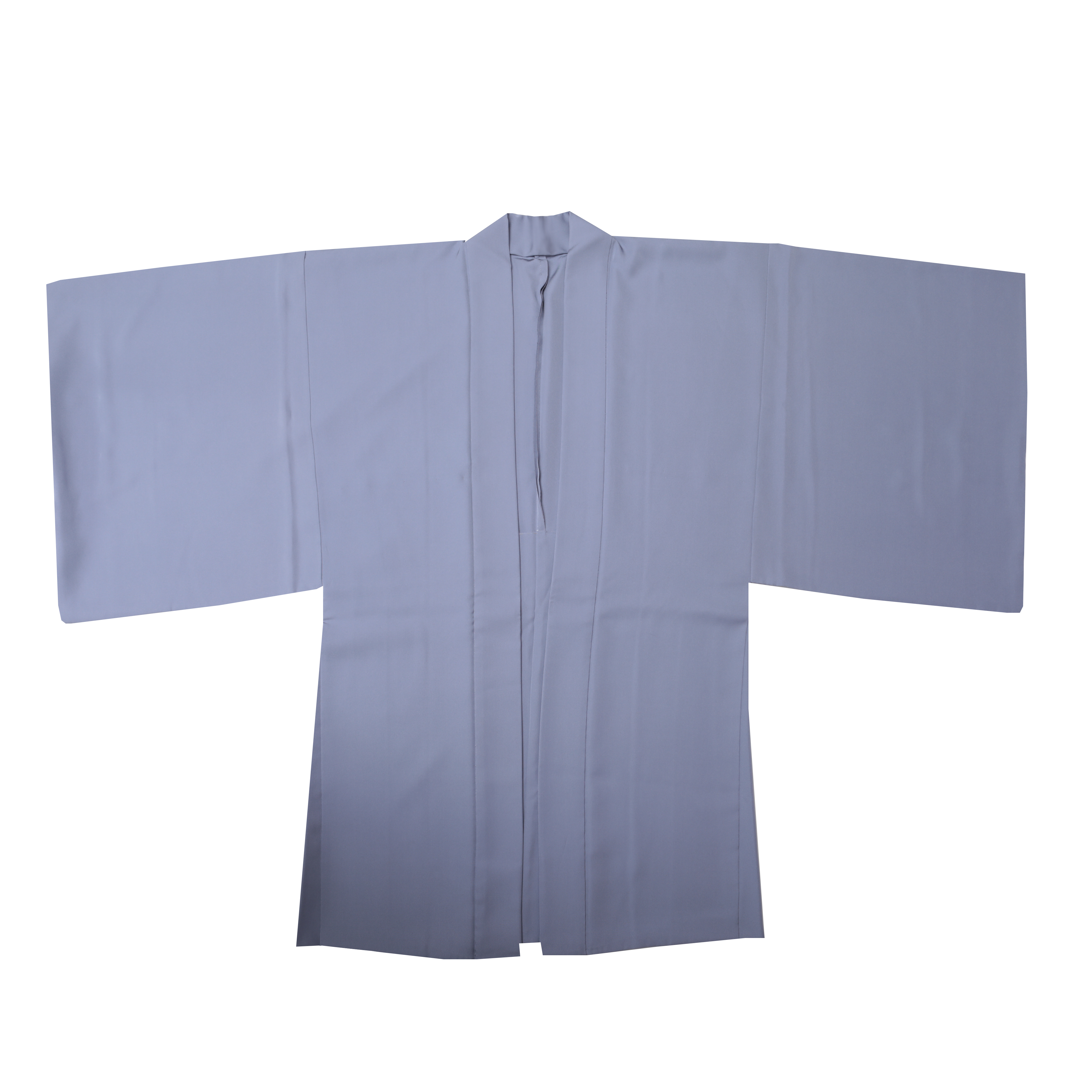 羽織・コート
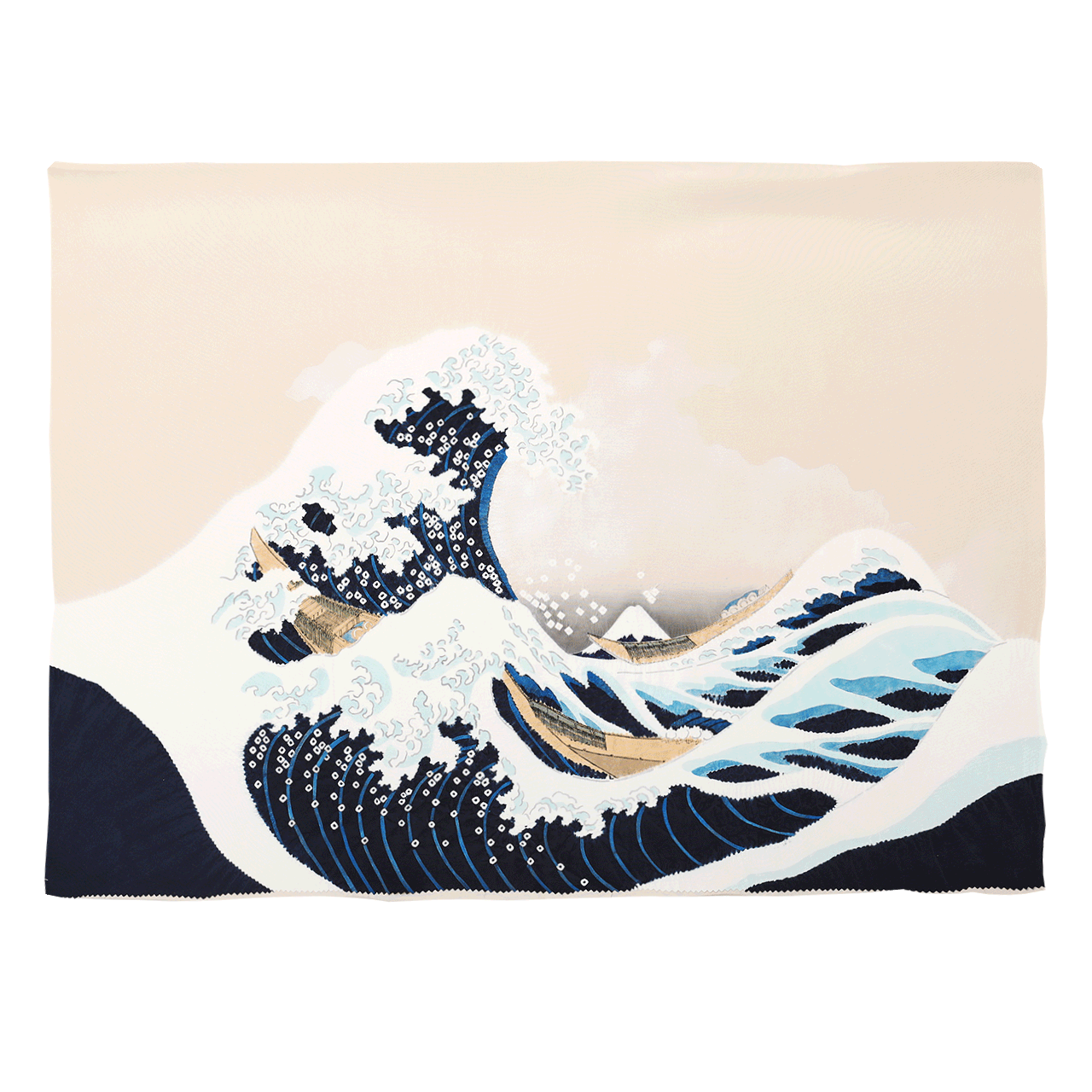 額裏
額裏
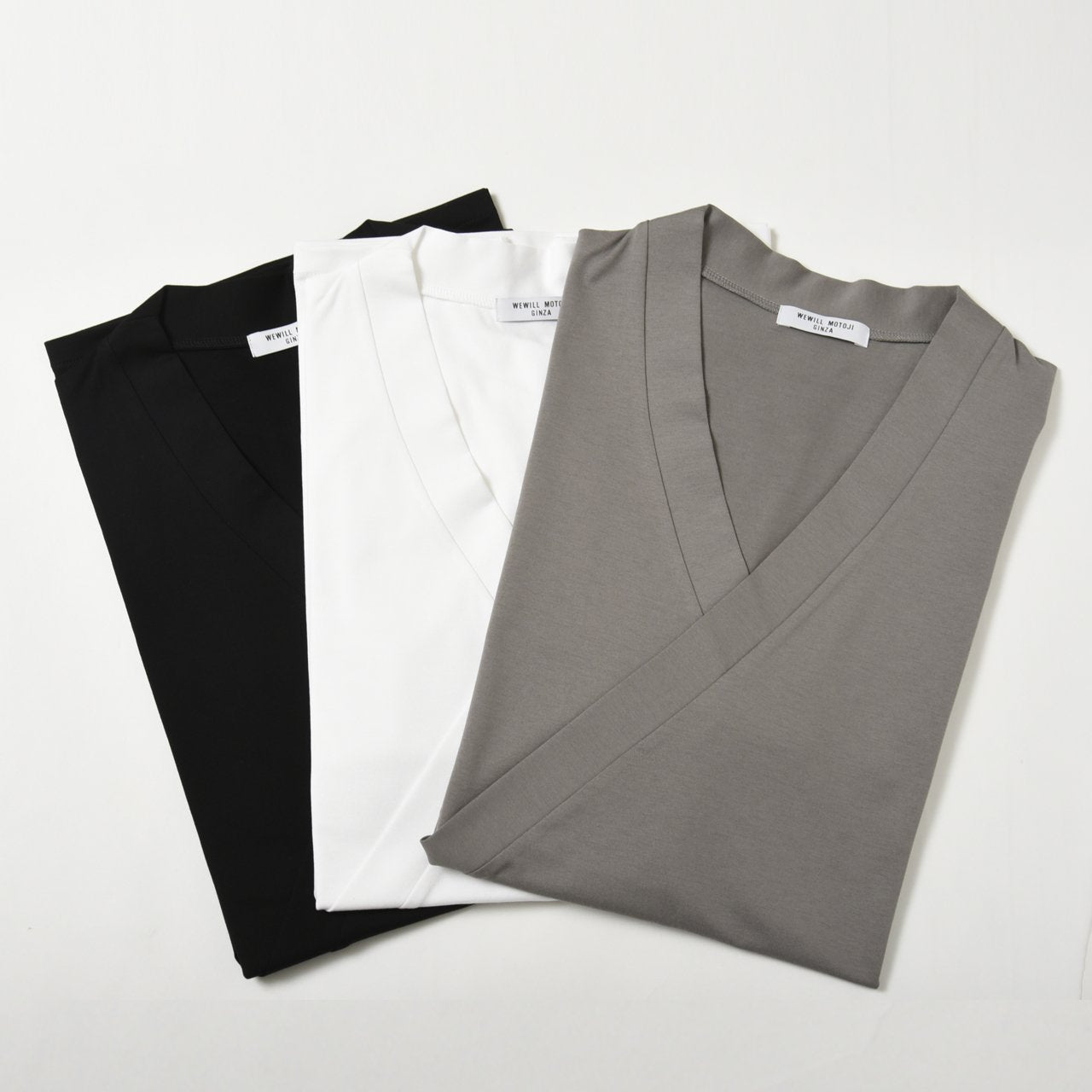 肌着
肌着
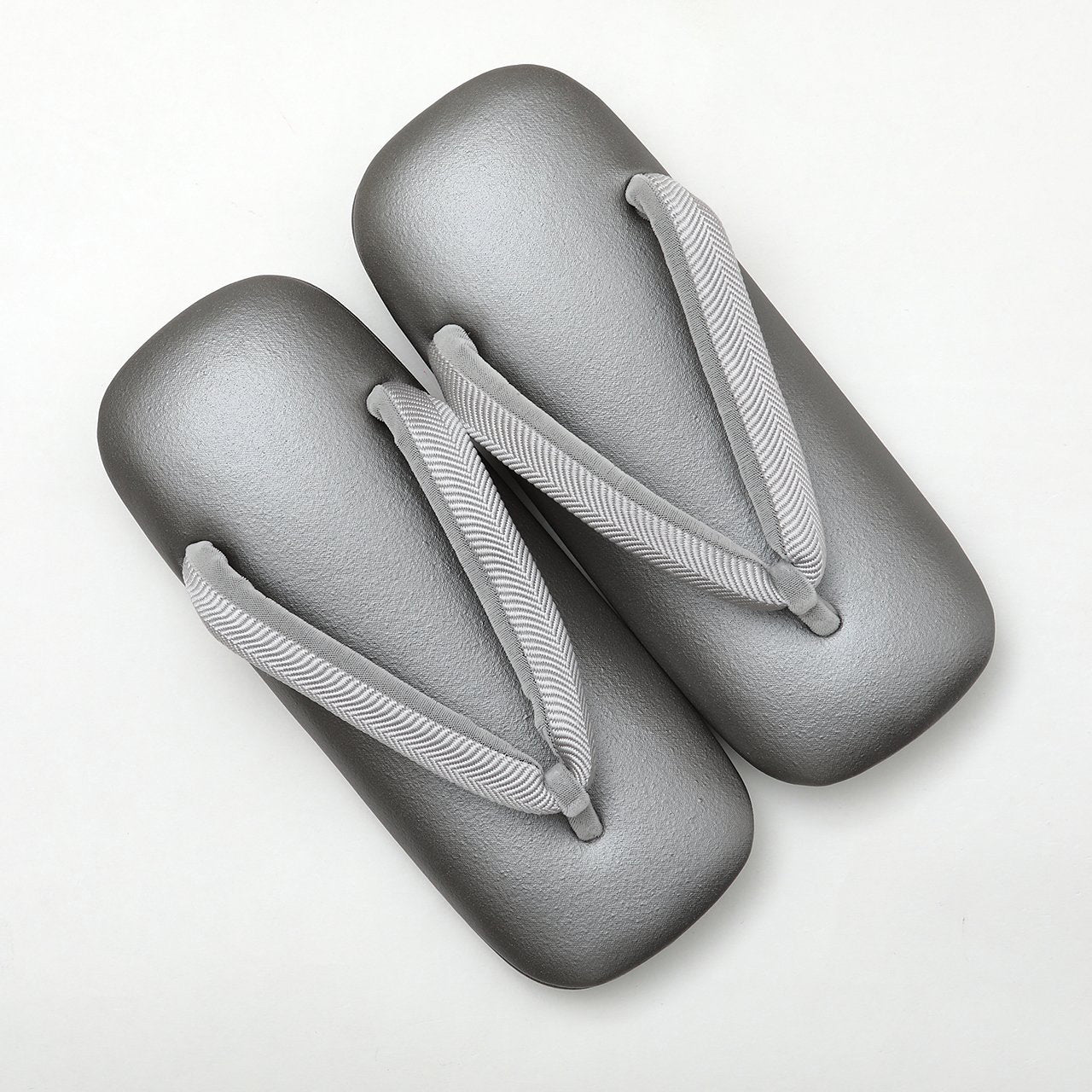 履物
履物
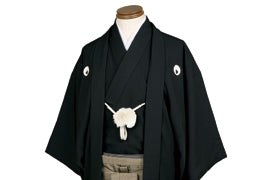 紋付
紋付
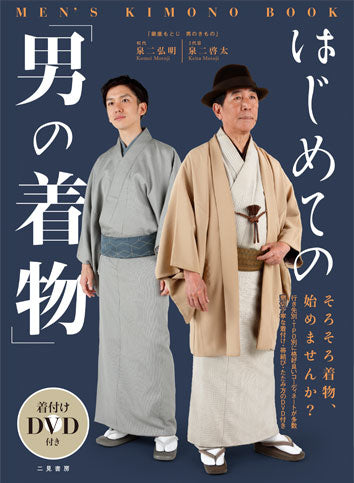 書籍
書籍

This text was originally published in 2013 as part of the Ginza Motoji Waori Monogatari Series, and translated by Ginza Motoji Staff in 2026.
The sky and sea, as blue as eachother. The endless stretches of pure white sand, baking below the bright sun.
Ryukyu Bingata (琉球紅型) is a surface dyed textile tradition from Okinawa, an island chain in southern Japan. Though it has faced repeated periods of decline and even the risk of extinction, the technique continues today, carrying new winds and fresh passion while still holding onto a uniquely Ryukyuan aesthetic. One person who has long protected this world is Eijun Shiroma, from the Shiroma family, one of the three principal Bingata lineages.
The History of Bingata

In the word bingata, bin (紅) refers to “colour”. (In standardised Japanese, beni (紅) is often associated specifically with red). Kata (型) means “pattern” or “stencil”.
Under the protection of the Ryukyu Kingdom, the technique was steadily refined and came to embody a sumptuous court aesthetic. Bingata was worn by royalty, high-ranking officials, and noblewomen; it was also presented as gifts bestowed by the king, and used for costumes in court dances performed to welcome sappōshi (Chinese imperial envoys).
In terms of colour, five hues form the classical foundation: red, yellow, blue, purple, and green. Using pigments and plant dyes, the tradition is broadly grouped into two types: vividly coloured bingata, and eegata (藍型), which is dyed in tonal gradations of indigo. Motifs typically include auspicious plants such as pine, bamboo, and plum, as well as chrysanthemum, peony, and paulownia; animals such as cranes, turtles, and butterflies; and natural scenery including landscapes and flowing water. Okinawa-specific flowers like deigo (coral tree blossoms) and hibiscus, however, are understood to be more recent additions.
The Making of Bingata

This lukujū is used as a base because it gives the tip of the small knife just the right amount of resistance, making it easy to carve, and it also helps prevent unnecessary holes from being made in the persimmon-tanned stencil paper. Unlike sillicone cutting boards, the elasticity of this tofu block can be changed from harder to softer, depending on the type of cutting. Once the stencil carving is complete, the stencil is placed on the cloth and a resist paste is scraped over it with a spatula to apply the paste through the cut areas. This paste is made from glutinous rice. A distinctive feature of Ryukyu bingata is that a single stencil is used repeatedly in continuous registration to dye an entire bolt of kimono fabric.
Next comes irozashi, the process of dyeing the motifs. This is where the characteristic bright colours of bingata colour truly emerges. Working from a palette based on the three core colours of red, yellow, and blue, colours are applied in sequence from lighter reds to progressively darker, deeper tones. Because bingata often uses pigments, mamejiru (a liquid made from beans) is prepared and is poured over the dyed areas to help fix the colour.

After the irozashi \is finished, the same colours are worked over again and rubbed in on top to saturate the fabric. This process is called surikomi, which literally means rubbing in. Two brushes are used, a haishoku surige (application brush) and a surikomi surige (rubbing-in brush)to force the pigments deep into the cloth and make them adhere firmly to the surface. The surikomi brush is made using human hair on a bamboo brush stick.
Finally, kumidori is applied. In kumidori, after the motifs have been coloured, deeper tones are added to the centre and/or edges of the pattern and then rubbed in with a gradual blur. There are established conventions for which colours are used. This distinctive Ryukyu bingata technique creates variation in strength, as well as a sense of volume and depth and even perspective within the design.
Once all the colour motifs are dyed, they are then covered in a layer of rice paste, so that the backround can be dyed. The cloth is then steamed, and the paste is washed away in spring water to finish the piece.
History of The Shiroma Family

Bingata dyed exclusively in Indigo called Eegata
Shuri and Naha suffered devastating damage in the Second World War, and vast amounts of bingata reference material were lost. Even so, two heirs to long-established workshops, Shiroma Eiki of the Shiroma family and Chinen Sekiko of the Chinen family, survived. After the surrender, they returned to Naha and Shuri with a shared resolve to restore the craft.
Supplies were scarce, and it became extremely difficult to secure the tools and materials needed for production. Suitable paper for stencil-making was hard to find, and even cloth for dyeing was limited. Yet their conviction never faltered. Using salvaged materials and sheer ingenuity, they recreated what they needed and continued working.
Carving knives were made from fragments of clock glass. Paste tubes were fashioned from heavy military fabric, with spent bullet casings used as nozzles. Stencils were cut from military maps, and thick rubber sheets replaced the lukujū (tofu) cutting mat. Spatulas for applying paste were improvised from broken vinyl records. Dyes came from readily available plants, or from pigments made by grinding red brick into powder, or by crushing seashells. In some cases, leftover pharmaceuticals were also used. For cloth, they purchased fabric from Ryukyu kasuri weaving areas, and they repurposed parachute silk and American supply sacks known as meriken-bukuro.
Around 1950, the bingata revival began to gather momentum. Makers came together, and the Ryukyu Bingata Technique Preservation Society was formed. Later, in 1973, Shiroma Eiki led the establishment of the Ryukyu Bingata Traditional Technique Preservation Society with 16 members. That same year, bingata was designated an Okinawa Prefectural Intangible Cultural Property.
Even after these milestones, Shiroma Eiki never wavered. He continued to refine his technique and devote himself to bingata, remaining a true craftsman to the end.
Eijuns World
Shiroma Eijun is the eldest son of Shiroma Eiki(14th Generation of the Shiroma Family). Eiki avoided the spotlight and devoted himself single-mindedly to the restoration of bingata; Eijun inherited that same craftsman’s spirit from his father.
Eijun loves the sea and holds a deep affection for motifs drawn from the natural world. That approach is clearly reflected in his work. Many of his designs take inspiration from the unspoilt beauty of Okinawa’s waters, including the sea, fish, and coral, depicting an ocean that remains clear and untouched by human hands.

SHIROMA, Eijun & SHIROMA, Eichi
February Exhibtion.
