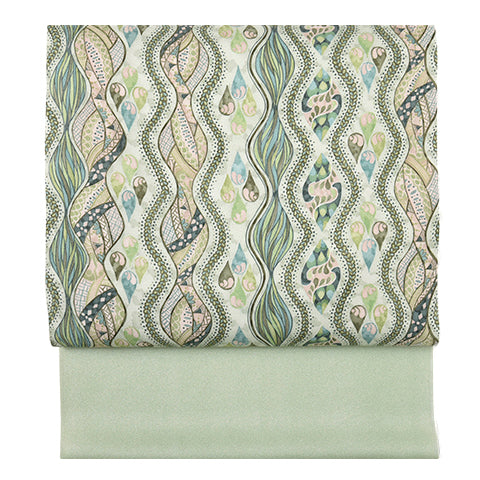
 名古屋帯
名古屋帯
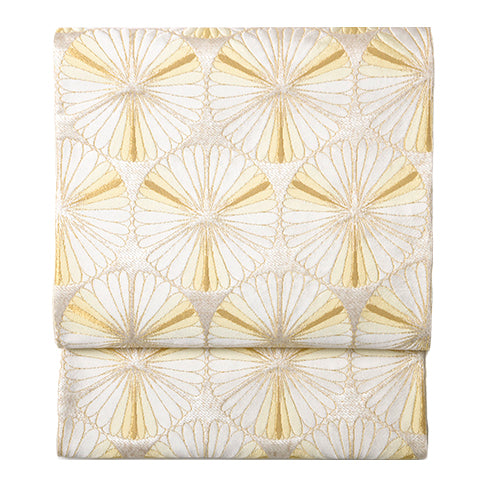 袋帯
袋帯
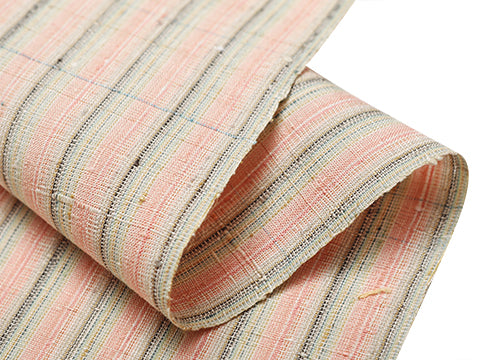 紬・綿・自然布
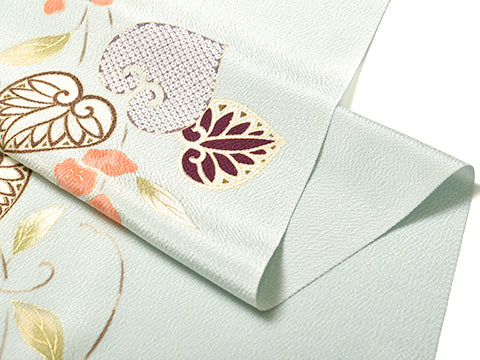 小紋・江戸小紋
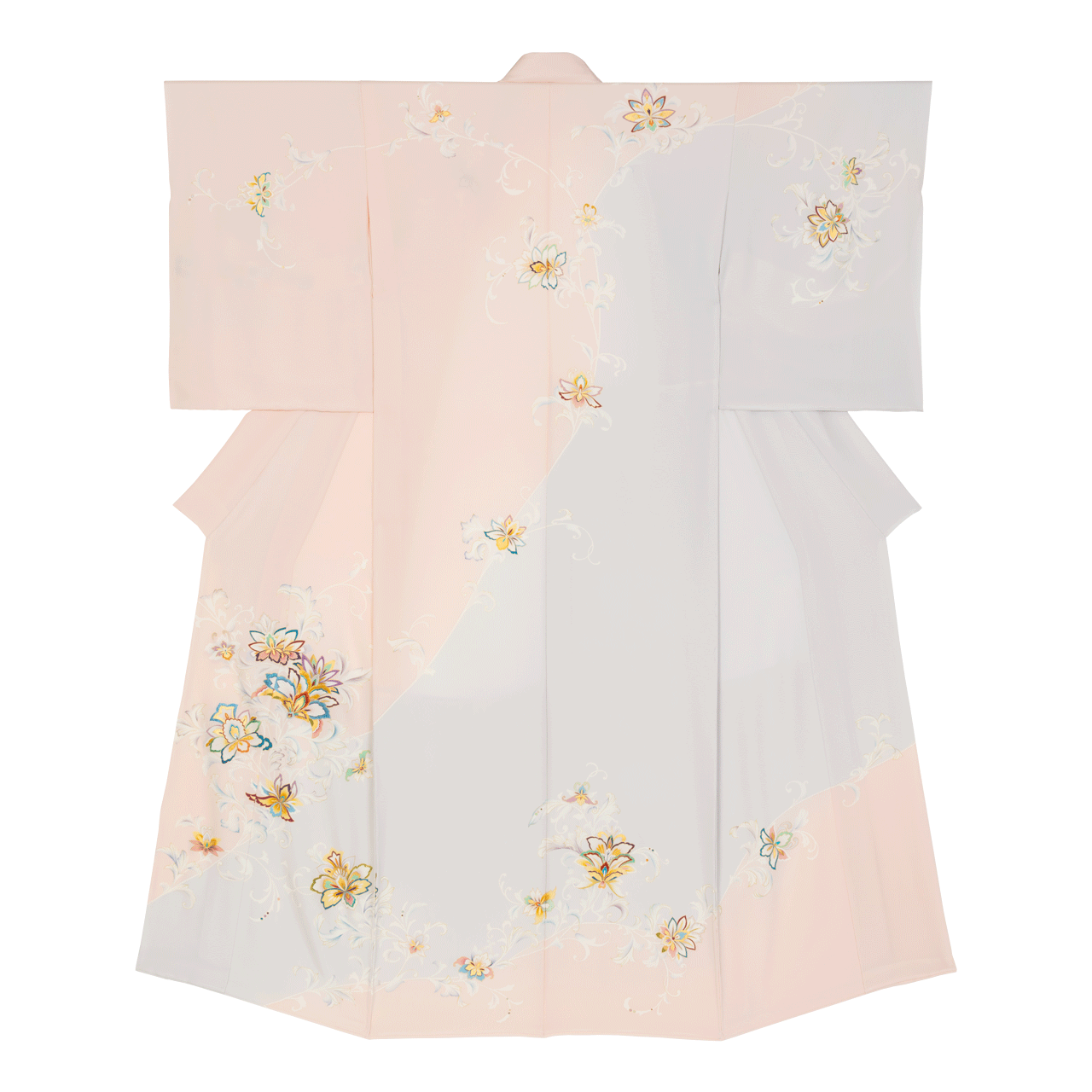 訪問着・付下げ・色無地ほか
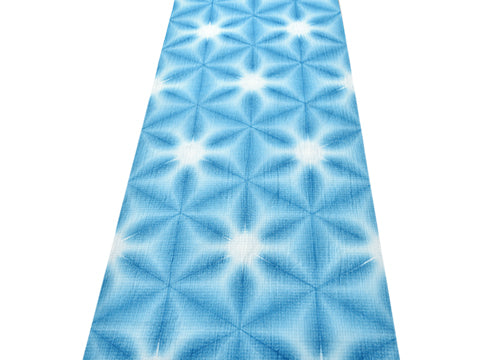 浴衣・半巾帯
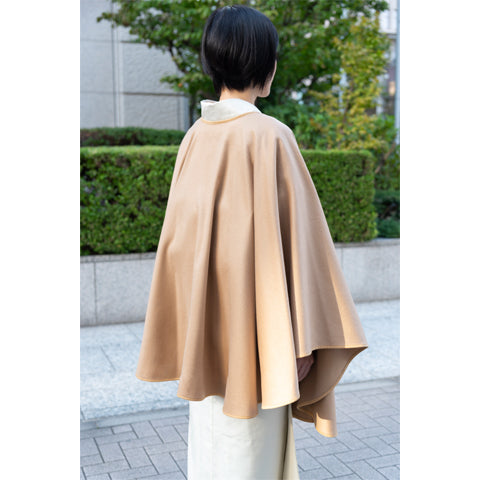 羽織・コート
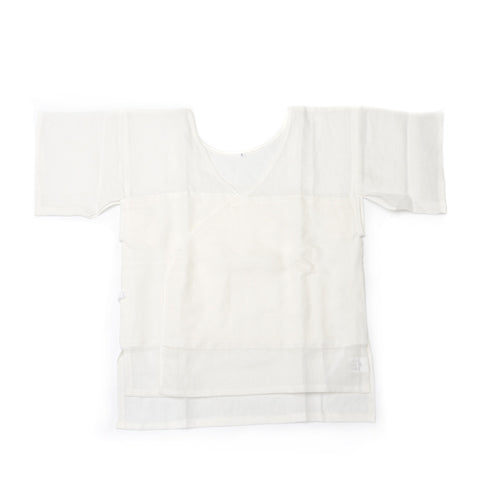 肌着
肌着
 小物
小物
 履物
履物
 書籍
書籍
 長襦袢
長襦袢
 小物
小物
 帯
帯
 お召
お召
 小紋・江戸小紋
 紬・綿・自然布
 袴
袴
 長襦袢
長襦袢
 浴衣
浴衣
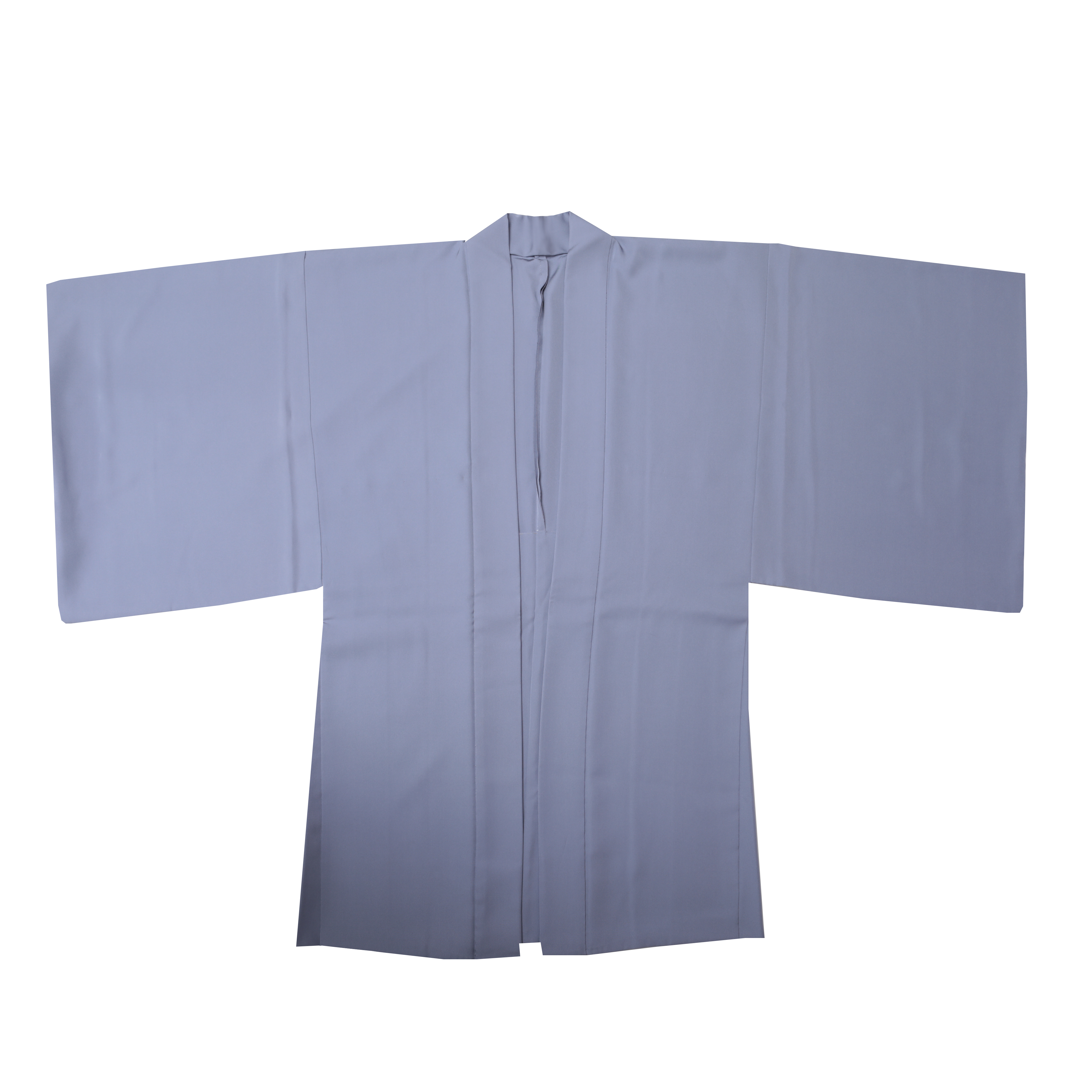 羽織・コート
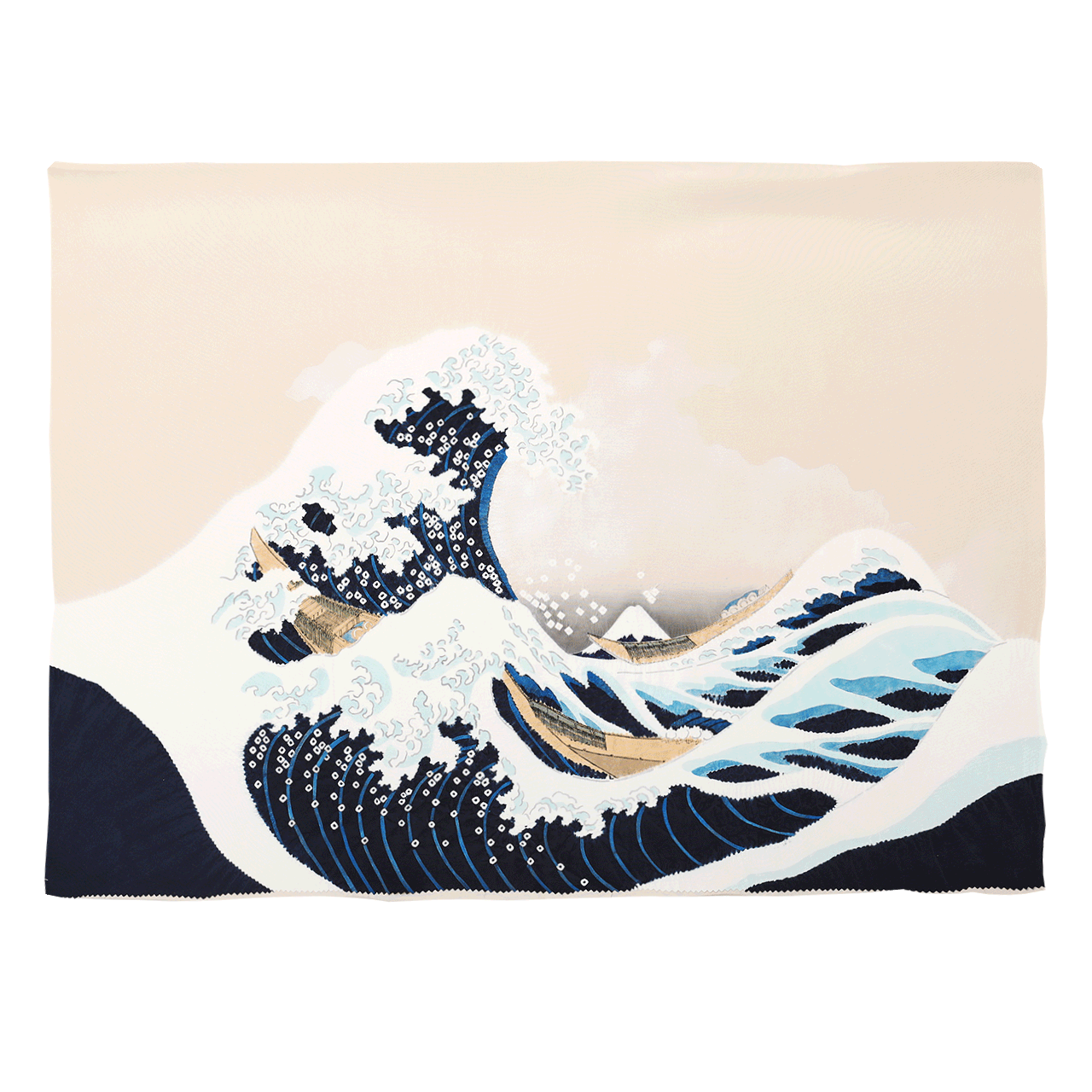 額裏
額裏
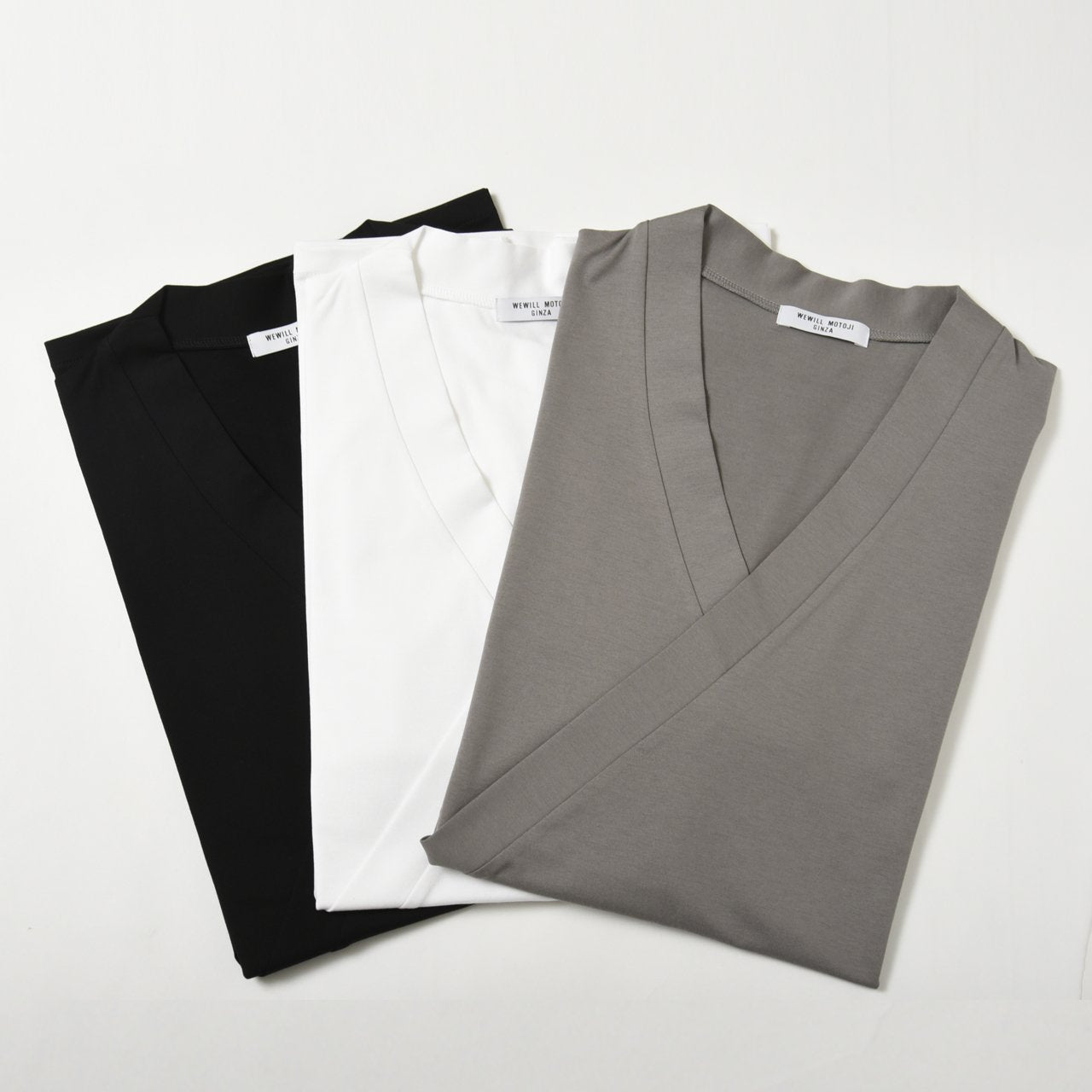 肌着
肌着
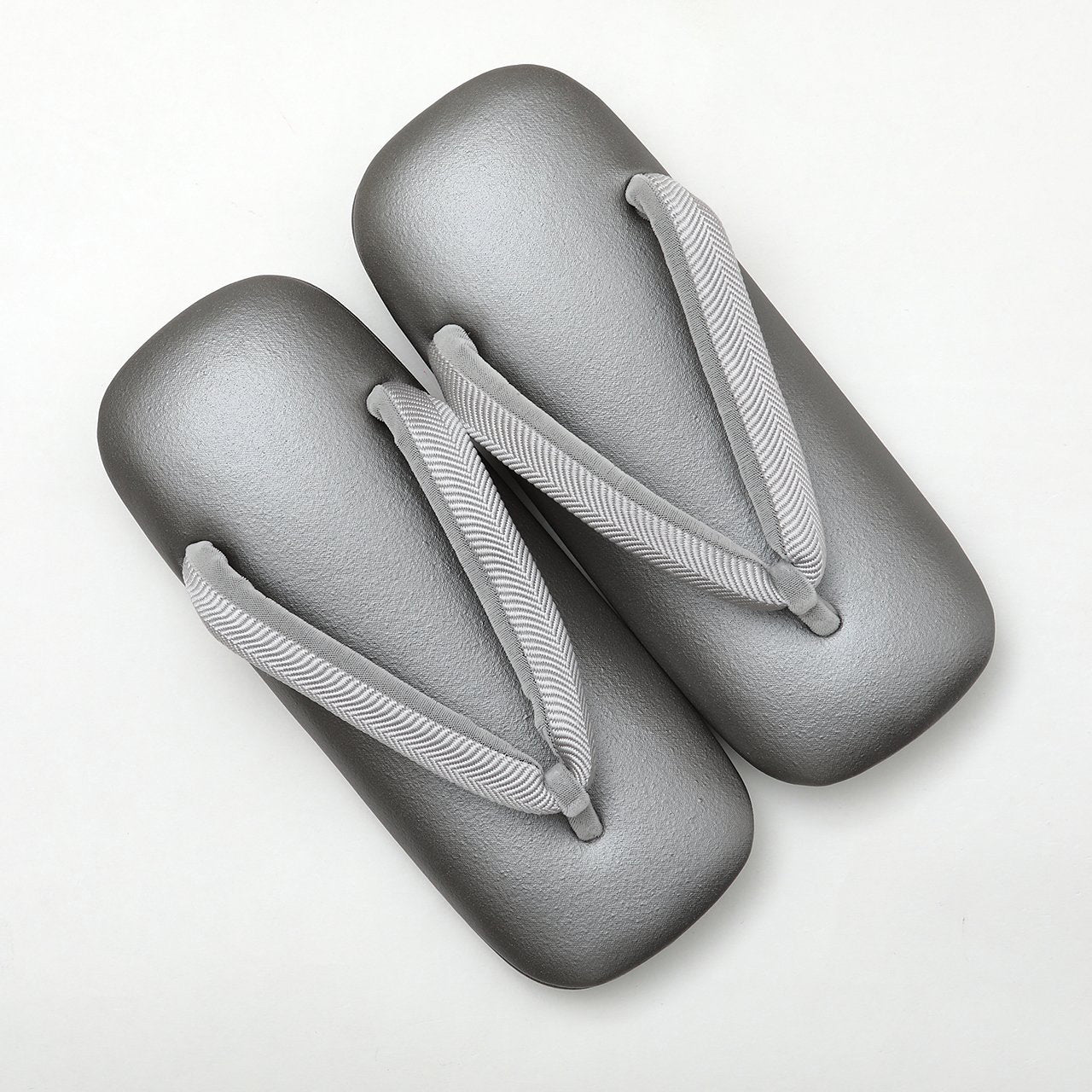 履物
履物
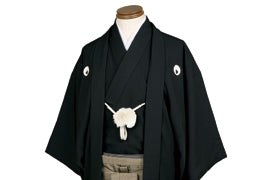 紋付
紋付
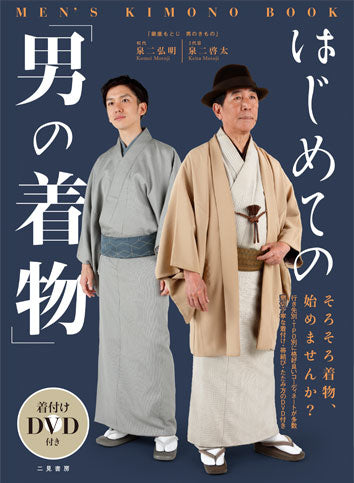 書籍
書籍

Kimono and the Seasons
One of the most interesting aspects of kimono is how closely they are connected to the seasons. Kimono are not chosen only by colour, pattern, or formality, but also by the time of year and the feeling of the weather.
As the temperature changes, the type of kimono worn changes too. This may seem simple at first, but the seasonal rules of kimono can be surprisingly subtle. Although Japan has four seasons, kimono are generally divided into three main types according to the time of year. For beginners, it can be a little difficult to tell the differences between them, especially as the changes are often found in the fabric, lining, and overall feeling rather than in the shape of the garment itself.
The three main types of kimono are as below.
Lined Kimono, or Awase (袷)
Unlined kimono, or Hitoe (単衣)
Sheer kimono, or Natsumono/Usumono(薄物)
First we will discuss the lined kimono.
Awase
Lined, or Awase kimono are worn for the about six months of the year from October until May so may be considered the most standard / reuglar type of kimono.
The kimono fabric is flatlined with a thin white silk called habutae. A separate fabric is attached at the cuffs and hem called a hakkake. this fabric is usually a complimentary color to the kimono, and is slightly visible when the kimono is worn. For men, toshi-ura is common, where a single block color is used throughout the entire lining.
Hitoe
Unlined kimono, known as hitoe, are worn in June and September, serving as a transition between the colder and warmer seasons.
They are usually made from the same kinds of materials used for awase, or lined kimono, but without the inner lining. Because of this, they feel lighter and more breathable while still keeping the structure and appearance of a formal kimono.
In many cases, a half lining called an ishiki-ate is attached to the back of the kimono from the waist down. This helps protect the back seam from strain and also reduces sheerness when the kimono is worn.
In recent years, however, the timing for wearing hitoe has become more flexible. As Japan’s warm season has grown longer, many people now begin wearing unlined kimono as early as March, rather than waiting until June.
Natsumono / Usumono
Summer is a special time in Japan, with many cultural festivals taking place across the country. It is also a special season for kimono, as the short summer kimono season begins.
July and August are traditionally when natsumono, also known as usumono, make their appearance. These summer kimono are usually sheer and gauzy, allowing the breeze to pass through their open weaves and helping the wearer stay cool. This breathability is especially important in Japan, where summer temperatures can rise well above 35°C for extended periods, often with extremely high humidity.
Common summer weaves include sha and ro. Sha is generally considered more casual, while ro is often used for more formal summer kimono. Like hitoe, however, summer kimono are now sometimes worn earlier than before, as people try to dress more comfortably during Japan’s increasingly long and hot summers.
This is also the season when you will often see yukata. Unlike ro or sha kimono, yukata are usually made from plain-weave cotton and are worn more casually. They are often worn as a single layer, without a nagajuban, making them a lighter and more relaxed option for summer festivals, fireworks, and everyday summer outings.

Ro 絽

Sha 紗
Shizenfu 自然布
In summer, natural-fibre textiles, known as shizenfu, are also extremely popular.
Kimono and obi made from shizenfu are considered exclusively casual, but despite this, they can be incredibly expensive because of the amount of work involved in making them.
These include kimono and obi made from various kinds of linen, hemp, banana fibre, ramie, and many other natural fibres. Many of these textiles have histories stretching back thousands of years, and some were worn in Japan before silk became widely used.

These guidelines are generally understood by the kimono community and are recognized within the kimono canon. However, it's worth noting that Japan is a diverse country. The north experiences longer winters with cooler summers, whereas the south has extended periods of high temperatures. As such, these practices may vary locally. Even in Tokyo, some people might start wearing hitoe in May if it's warm or continue to wear awase if it remains cold. Despite this, it's usually expected to adhere to the canon for formal events like weddings and other ceremonies.
Seasonal Transitions
The transition from awase to hitoe, or from hitoe to usumono, does not happen overnight. Often, the obi, outerwear, and accessories change first, followed by the kimono itself.
For example, in June, one might see a man wearing a hitoe kimono with a sha haori, or a woman wearing a hitoe kimono with a ro obi.
Of course, it would be remiss to discuss the seasons in kimono without mentioning motifs themselves. Seasonal flowers, fruits, plants, and leaves are often used as motifs on kimono. These motifs are usually worn before and during the season in which the flower blooms, the fruit appears, or the plant can be seen.
If the motif is depicted in a more abstract style, however, it is often considered less tied to a specific season, and the pattern can usually be worn more freely throughout the year.
Interestingly, winter motifs such as snow-covered plants or snowflakes can often be found on sheer summer kimono. This is intended to give an impression of freshness and coolness.

For example, a summer homongi made from ro fabric may be hand-dyed in the yuzen technique with a design of snow-covered banana leaves. Although the motif itself suggests winter, the cool impression it creates makes it perfect for a dressy midsummer occasion.
In summer, motifs that help make the wearer, and those around them, feel cool are especially common. Snow-covered plants, wind chimes, fans, and swirling water are all familiar summer sights in kimono design.
Do you have any questions about kimono and their seasonality? Please feel free to reach out. We would be delighted to help.