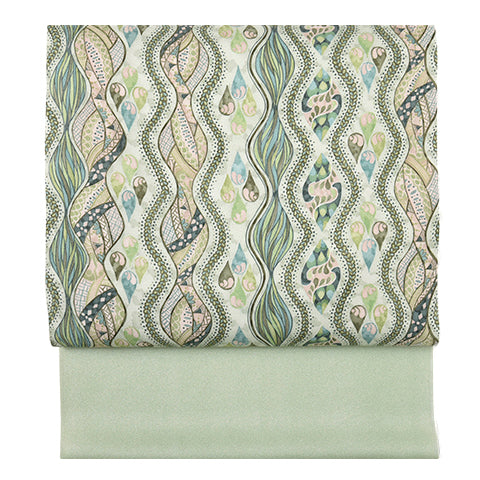
 名古屋帯
名古屋帯
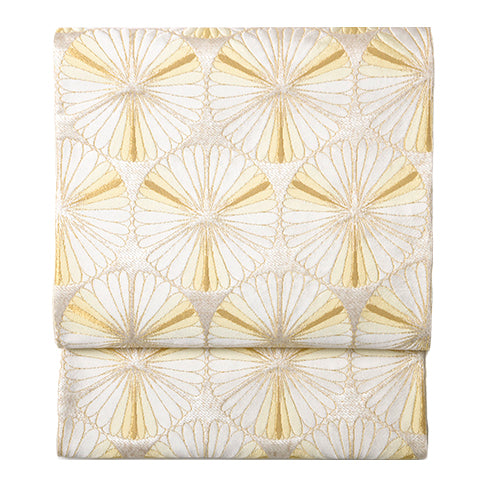 袋帯
袋帯
 紬・綿・自然布
 小紋・江戸小紋
 訪問着・付下げ・色無地ほか
 浴衣・半巾帯
 羽織・コート
 肌着
肌着
 小物
小物
 履物
履物
 書籍
書籍
 長襦袢
長襦袢
 小物
小物
 帯
帯
 お召
お召
 小紋・江戸小紋
 紬・綿・自然布
 袴
袴
 長襦袢
長襦袢
 浴衣
浴衣
 羽織・コート
 額裏
額裏
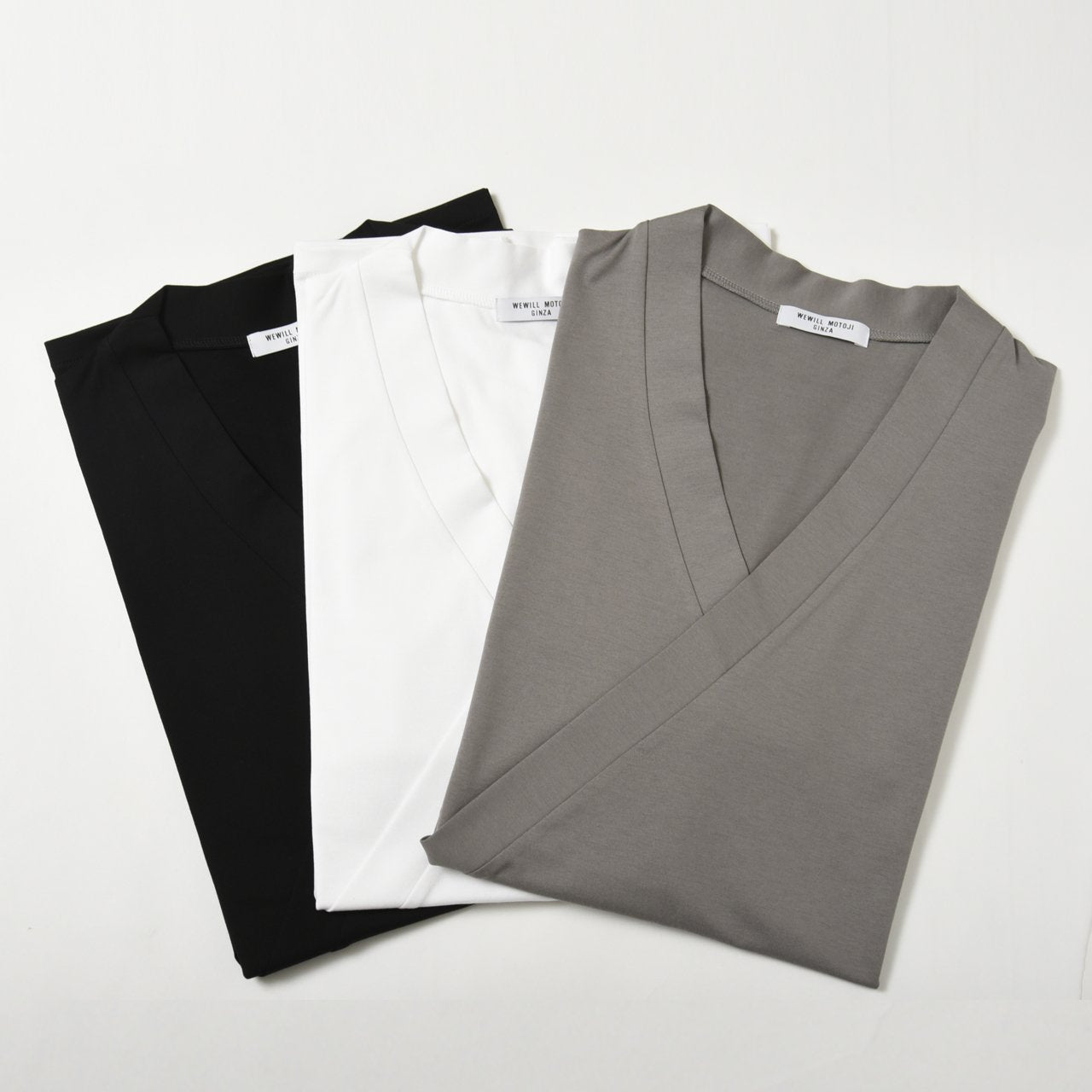 肌着
肌着
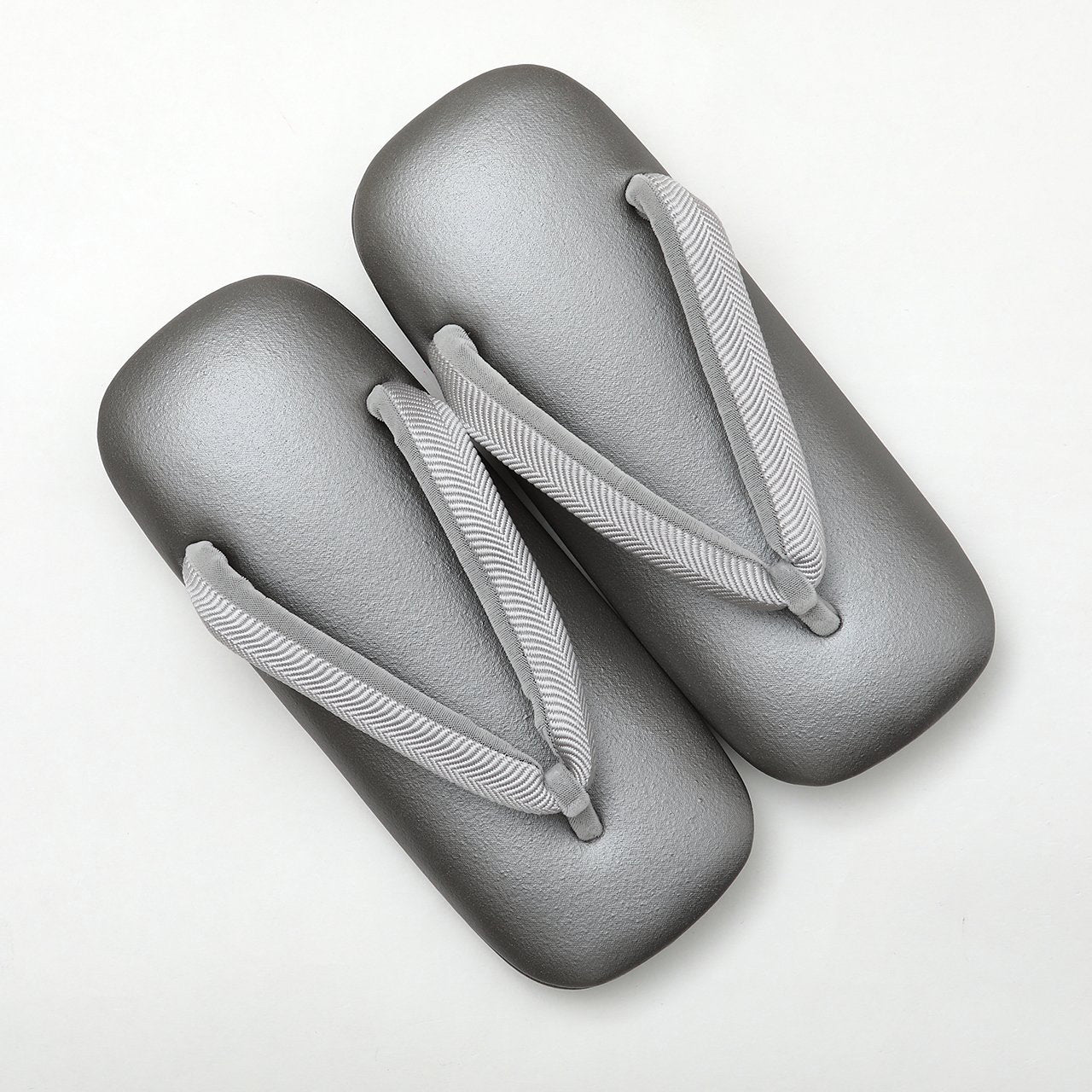 履物
履物
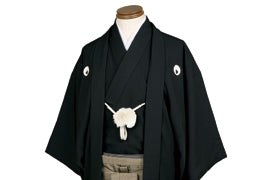 紋付
紋付
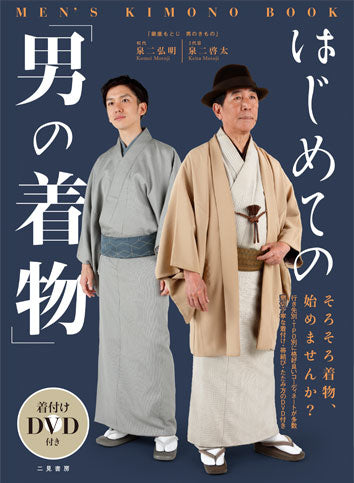 書籍
書籍

18th century - Noh Costume ("Karaori") with Waves, Bouquets, Fences, and Autumn Grasses(Tokyo National Museum)
Three Historic Crises That Threatened Nishijin-ori’s 1,000-Year Legacy
Nishijin-ori is one of Japan’s most renowned silk-weaving traditions, with a history spanning more than 1,000 years.
Its origins can be traced to the fifth or sixth century, when the Hata clan, immigrants from the Asian continent, settled in Kyoto’s Uzumasa district and introduced advanced weaving techniques.
By the Heian period, textile production was overseen by the Oribe no Tsukasa, an imperial bureau whose official workshops produced fine fabrics for the Imperial Court. As the ritsuryo system declined, the weavers left these workshops and settled around Otoneri-cho, near Oribe-cho, where they began working independently.
These early developments laid the foundations for Nishijin, which would become one of Japan’s foremost textile-producing districts. Yet its path was far from straightforward. War, fire, and dramatic social change repeatedly threatened the survival of its weaving industry.
This article explores three of the greatest crises in Nishijin-ori’s history and how its craftspeople overcame them, transforming the tradition along the way.
Crisis 1:
The Onin War, an Eleven-Year Conflict

The Shogun Ashikaga Yoshimasa (Presumed)(Tokyo National Museum)
The Onin War began in 1467 and continued for eleven years. What started as a dispute over the successor to Ashikaga Yoshimasa, the eighth shogun of the Muromachi shogunate, drew powerful military governors from across Japan into two opposing forces: the Eastern Army under Hosokawa Katsumoto and the Western Army under Yamana Sozen, also known as Mochitoyo.
With Kyoto at the centre of the fighting, many of its weavers were forced to flee. When they returned, they settled around the former encampment of Yamana’s Western Army. The district became known as Nishijin, meaning “western camp”, and the artisans formed the Otoneri-za, a guild-like association of weavers.
This marked the beginning of Nishijin’s development into one of Japan’s leading centres of textile production.
Inoue, director of the Kyoto City Historical Museum, describes the war as a turning point for Kyoto’s townspeople. Amid the destruction, they developed a spirit of self-governance, recognising that they had to protect their own communities.
The upheaval may also have strengthened the bonds among Nishijin’s weavers. Their solidarity would prove vital as the district faced further crises in the centuries ahead.
But if there was a Nishijin, or “western camp”, was there also a Higashijin, or “eastern camp”?
There was.
Other weavers settled in Hakumura, near the former headquarters of Eastern Army leader Hosokawa Katsumoto. There, they established a rival association known as the Nerinu-ki-za.
The two guilds competed fiercely over production rights and weaving techniques. Each accused the other of copying its methods, and their rivalry sometimes developed into legal disputes. Although the Onin War was over, its east-west divide continued within Kyoto’s weaving industry.
Eventually, the Otoneri-za gained official protection from the shogunate, securing Nishijin’s position as Kyoto’s main centre of textile production. The Nerinu-ki-za, by contrast, disappeared from historical records after 1547.
Crisis 2:
The Nishijin Fire, Which Destroyed More Than 3,000 Looms
Crisis 3:
The Meiji Restoration and the Transfer of the Capital to Tokyo
In the final years of the Edo period, conflict spread across Japan between supporters of the shogunate and those seeking to overthrow it.
Kyoto was engulfed by fire once again during the Kinmon Incident of 1864, also known as the Hamaguri Gate Rebellion. The resulting blaze, called the Dondon-yake, destroyed most of present-day Nakagyo and Shimogyo wards.
It was the worst disaster to strike Nishijin since the fire of 1730. With the country still in turmoil, rebuilding was slow, leaving the weaving district in an increasingly vulnerable position.
Before Kyoto had fully recovered, the capital was transferred to Tokyo in 1869. Historian Moritani Katsuhisa described the profound disappointment felt across the city. Fires had already destroyed around 65 per cent of Kyoto, and its status as the capital was lost before reconstruction had properly begun.
The departure of the Imperial Court and many of its patrons also threatened Nishijin’s customer base at the very moment the district needed to rebuild.
Yet this crisis became an opportunity for change. With support from the Meiji government, representatives were sent to France to study advanced textile production. They returned with new technologies, including the Jacquard loom, helping Nishijin take its first steps towards modernisation.
A revival in kimono culture further strengthened demand, and Nishijin gradually regained its position as one of Japan’s leading textile-producing districts.
Over its long history, Nishijin-ori has survived war, fire, political upheaval and changing markets. Its techniques have endured for more than 1,000 years because each generation has been willing not only to preserve them, but also to adapt.
Strong community ties, an openness to knowledge from outside and a constant desire to refine the craft have allowed Nishijin to rebuild time and again. Its history shows that tradition survives not by remaining unchanged, but by finding new ways forward without losing its foundations.
More Than 1,000 Years of Continuity and Change
Looking back at these three crises, it becomes clear that Nishijin-ori survived not by remaining unchanged, but through knowing what to preserve and when to adapt.
After the Onin War, its weavers returned to Kyoto and formed a new community. Following devastating fires, they rebuilt their workshops and carried their knowledge to other regions. When the transfer of the capital threatened their market, they embraced overseas technology and modernised production. Each crisis transformed Nishijin, but none brought its story to an end.
The textiles produced there today are the result of skills passed from one generation to the next, supported by cooperation, ingenuity and a willingness to begin again. More than 1,000 years after its origins, Nishijin-ori remains a living tradition, shaped by its history and continuing to evolve.
References (Japanese Only)
・「応仁の乱」後 織物職人集う 西陣誕生550年(もっと関西) / 日本経済新聞
・フィールド・ミュージアム京都 / 京都市歴史資料館
・『西陣機業の源流』 豊田武
・『西陣機業の歴史と展開』森谷尅久
・西陣の歴史 / 西陣織工業組合HP
・西陣の発展と西陣焼け / 京都市上京区HP