 名古屋帯
名古屋帯
 袋帯
袋帯
 紬・綿・自然布
 小紋・江戸小紋
 訪問着・付下げ・色無地ほか
 浴衣・半巾帯
 羽織・コート
 肌着
肌着
 小物
小物
 履物
履物
 書籍
書籍
 長襦袢
長襦袢
 小物
小物
 帯
帯
 お召
お召
 小紋・江戸小紋
 紬・綿・自然布
 袴
袴
 長襦袢
長襦袢
 浴衣
浴衣
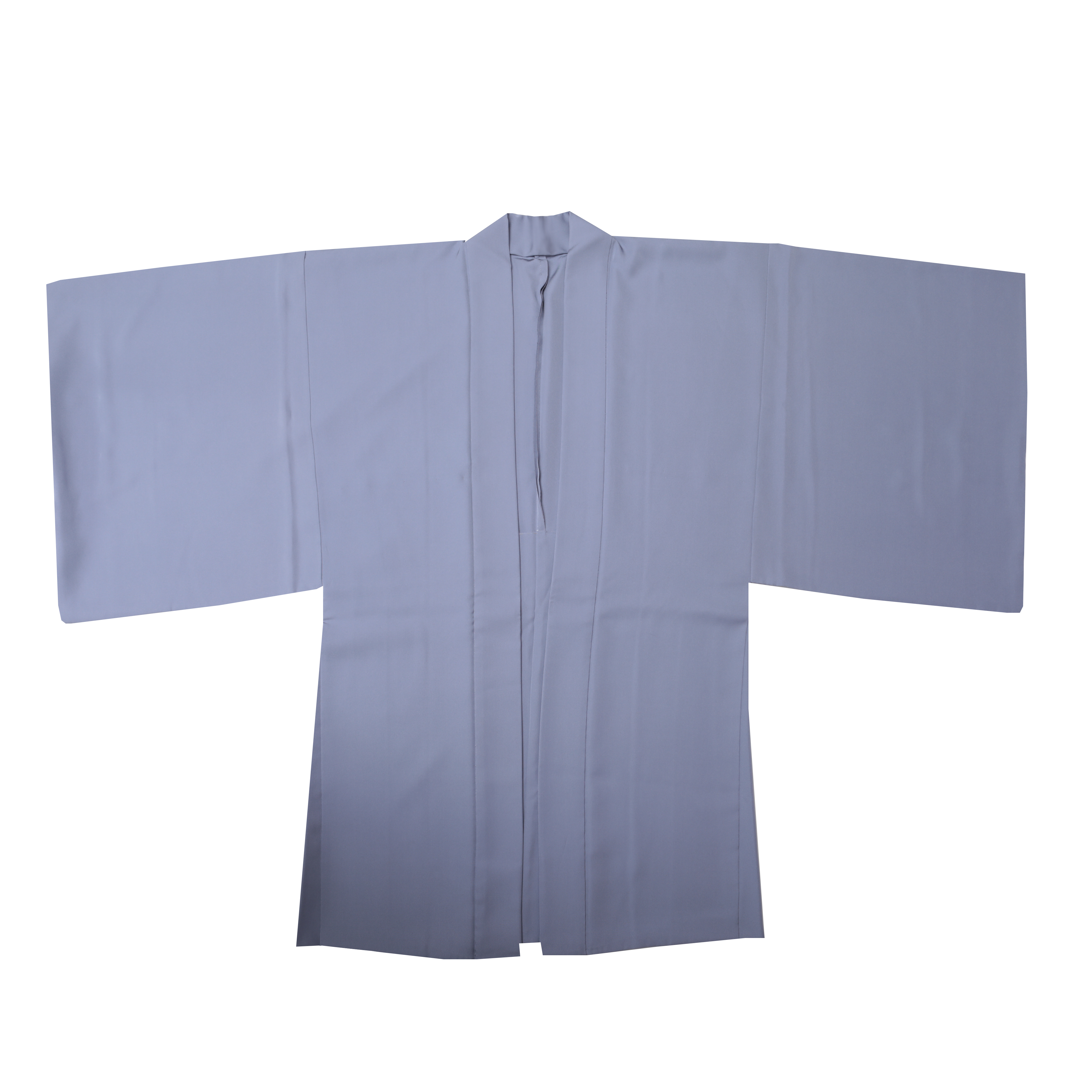 羽織・コート
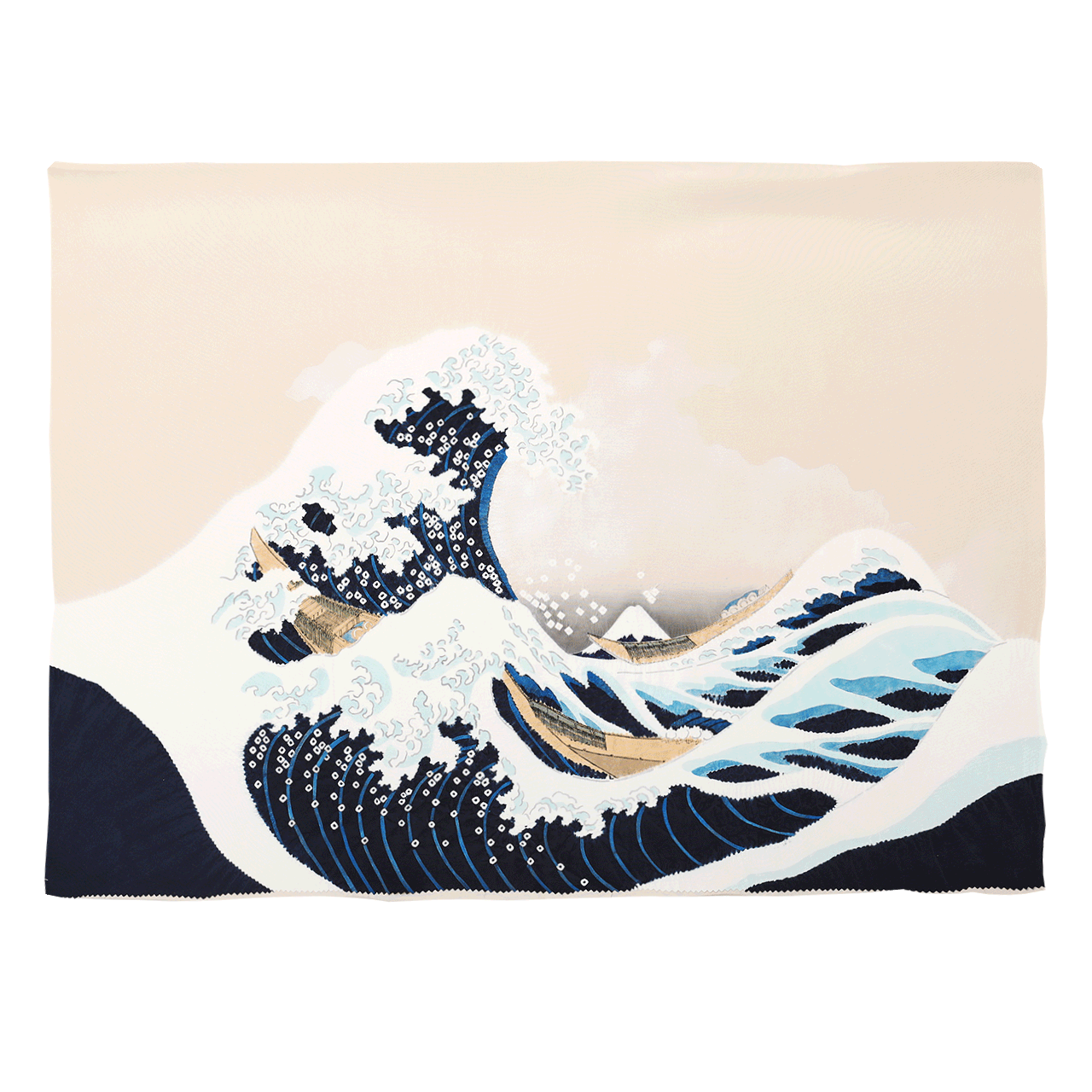 額裏
額裏
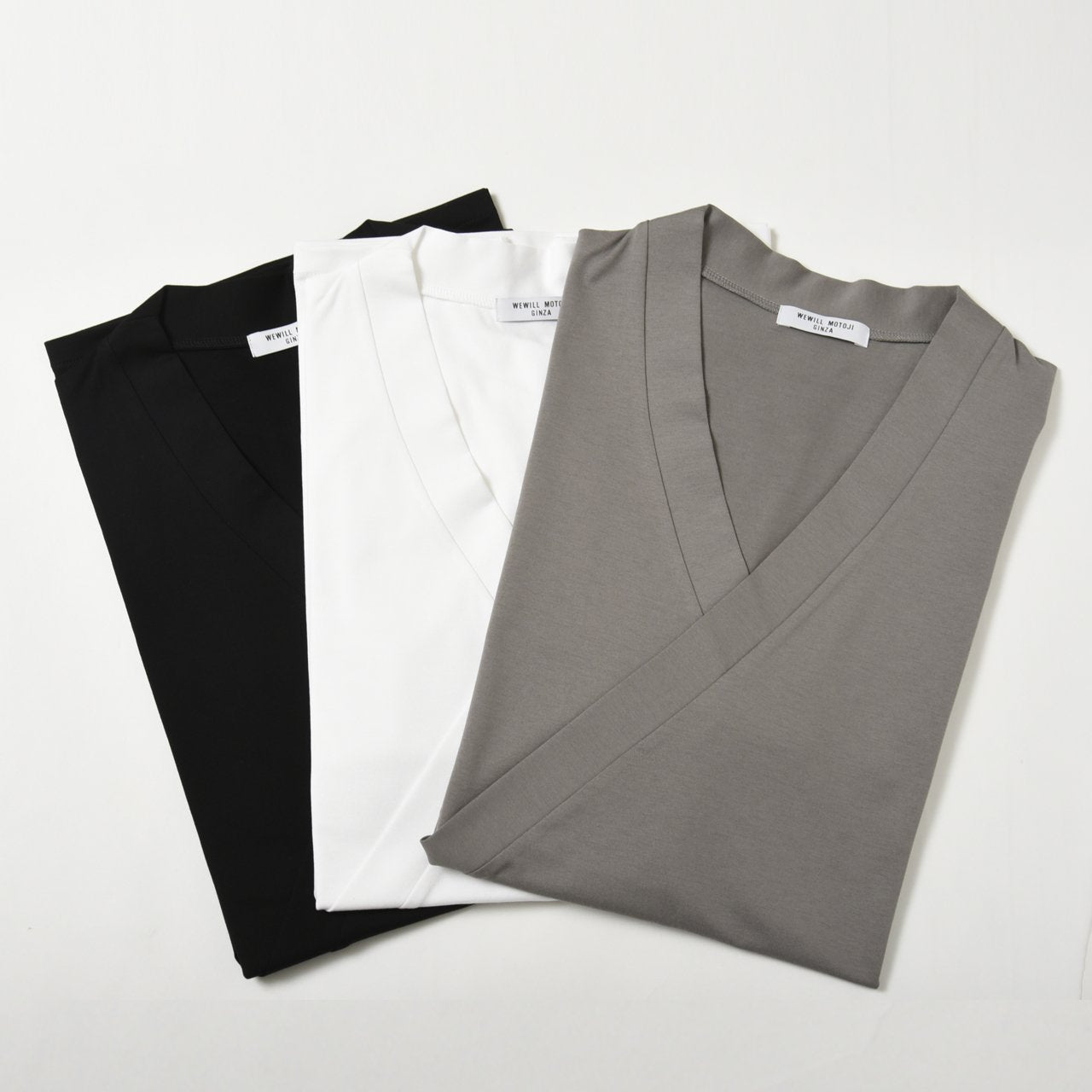 肌着
肌着
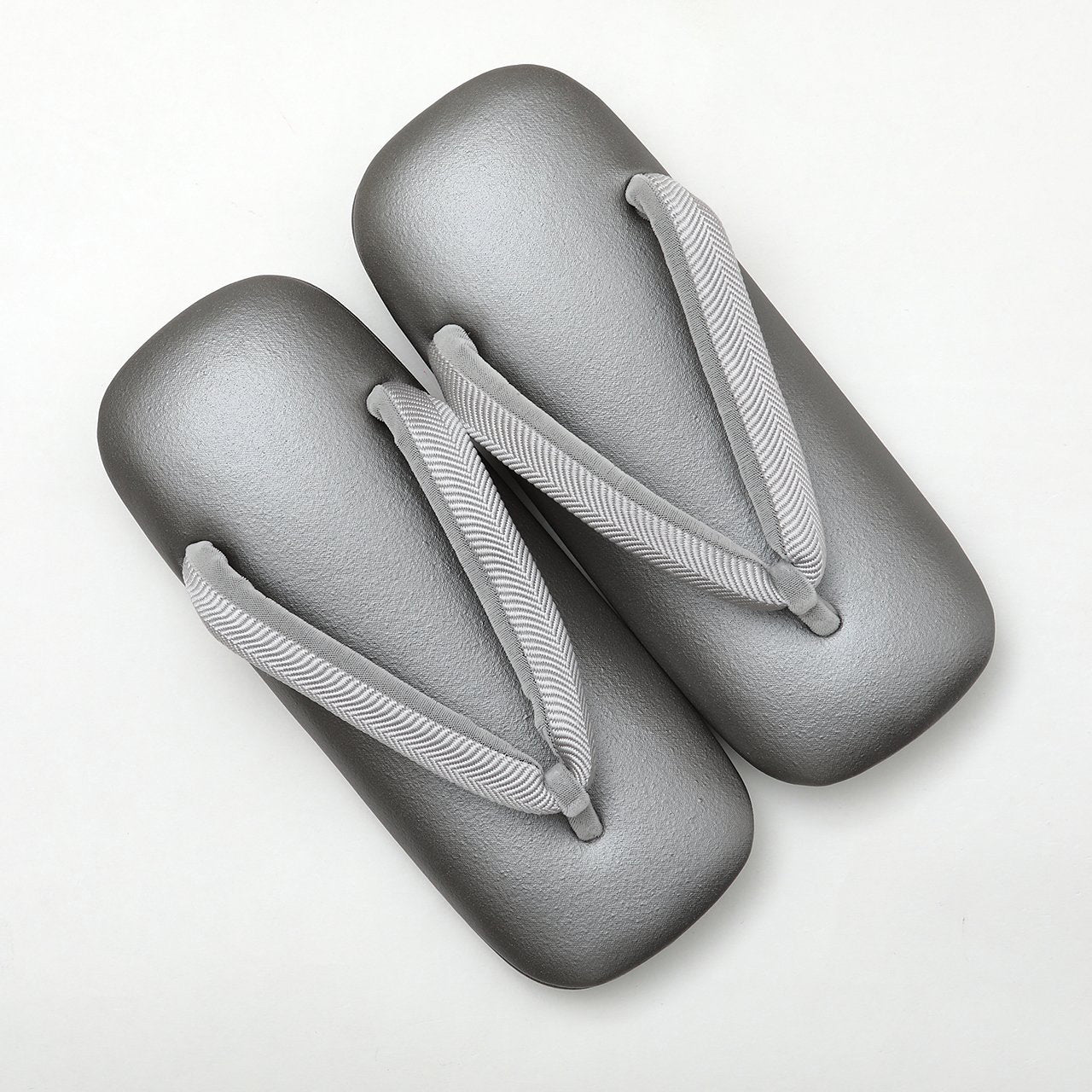 履物
履物
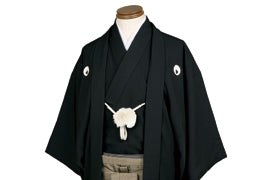 紋付
紋付
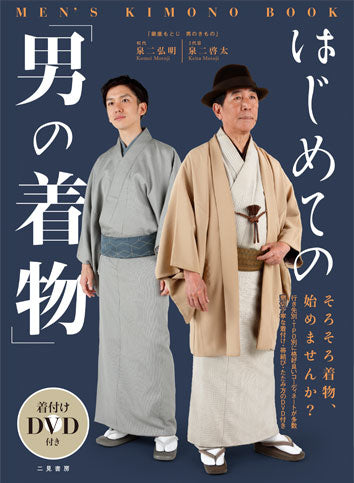 書籍
書籍


A Visit to the Workshop of Kota Nakamura, Fourth Generation of Edo Kumihimo “Nakamura Sho”
Sho Nakamura, the fourth-generation head of Nakamura Sho, an Edo kumihimo workshop with a history of more than 130 years, dating back to 1893.
Nakamura Sho was founded by his great-grandfather, a kumihimo craftsman. It was during his grandfather’s generation, when the scale of the business expanded, that the workshop took the name Nakamura Sho, using the character “Sho” from his grandfather Masajiro’s name. The workshop, which has been passed down from the previous generation, has since been renovated so that each stage of the process, from dyeing the threads to creating the finished pieces, can be carried out efficiently within the same space.
Nakamura began learning kumihimo at the age of 17. At university, he studied mechanical engineering, before attending a vocational school and eventually joining the family business.
Although his father was mainly involved in the management side of the business, Mr. Nakamura says he was never pressured to take over.
Rather than feeling from the beginning that he wanted to inherit the business, he says he was drawn to the act of making things itself, having grown up watching the craftspeople at work in the workshop from a young age. He was also part of the last generation able to learn directly from artisans who had made their living through hand-braiding.
Describing himself as someone who hates to lose, Mr. Nakamura says that even when he first began learning, he had a strong desire to try things for himself as far as possible and to solve problems in his own way.
Today, alongside creating works for the Nakamura Sho workshop, he is also active as an individual artist, submitting his own pieces to the Traditional Kogei Exhibition and continuing to pursue his craft with great energy.
Click here to see work submitted to the Dentou-Kogei Exhibition
*He says that one of the reasons he began submitting works to the Traditional Kogei Exhibition was his encounter with Tokyo Yuzen artist Ikoma Teruo, who encouraged him to do so.。
What exactly is Edo Kumihimo
and how is it different to Kyo-Kumihimo(Kyoto Style Kumihimo)?
While Kyoto kumihimo developed against the backdrop of court, temple, and shrine culture, Edo kumihimo has its roots in samurai culture. It was used for armor and other military equipment, as well as for haori cords worn by townspeople.
Because it required such time and skill to make, kumihimo was originally something reserved for people of high status.
Kumihimo as obijime cords became more widespread from the Meiji period onward, as the otaiko style of tying the obi became common
Kumihimo is a world that has already been refined over its long history.
Nakamura says that the first and most important thing is to faithfully carry on what has been passed down, and to braid with a high level of precision. While respecting the basics and making pieces that are sound and beautiful, he also feels there is still room to make kumihimo feel fresh through subtle arrangements and new approaches.
His inspiration is far from exhausted.
He spoke about his desire to offer an “answer” to the predecessors who taught him kumihimo. He also shared his interest in kasuri-like expressions found in woven textiles, and his wish to explore how these might be expressed through kumihimo. Through the use of multiple colours, he hopes to create works that feel fresh even to himself.
The Kumihimo of NAKAMURA, Kouta
① Choosing the thread
In the past, obijime often used bold, contrasting colours. Today, Nakamura focuses on colours that blend more naturally with modern kimono styling.
Even when using many colours, he creates gradations that feel simple and understated.


He dyes most of the thread himself.

② The braiding stands, the Kumi-dai (組台)
The main braiding stands used in kumihimo making are the marudai, ayatakedai, and naikidai.
According to Nakamura, kumihimo is “mechanics itself.”
What he aims for is a braid with just the right balance of firmness and flexibility.
The weights attached to the end of each thread play an important role in the final result. Nakamura chooses the appropriate weight depending on the braiding technique. When creating a new piece, he decides through repeated trial and error.
Depending on the braid, he may also adjust only the edges.

Weights, or bobbins, used in the making of the kumihimo.
In kumihimo making, it is important to keep working steadily at the same pace.
Nakamura says he is always thinking about where the process can be made more efficient, and whether there are any unnecessary movements that can be removed.
He says that in the past, many different thoughts would come to mind as he braided. Now, however, he is able to put his mind into a “single-core” state, allowing him to focus fully on the work.
Ayatakedai 綾竹台
The most distinctive feature of the ayatakedai is the many bamboo slats, called ayatake, arranged across the stand.
By crossing the threads while hooking them over these slats, it is possible to create beautifully intricate flat braids.
Nakamura has a particular attachment to the ayatakedai. He says he learned from a craftsman with such exceptional ideas and skill that he could truly be called one of the finest in Japan.
All of Nakamura’s works submitted to the Traditional Kogei Exhibition are made using the ayatakedai.


Naikidai 内記台
The naikidai is a braiding stand with wooden gears, developed in the late Edo period.
It is an extremely rare type of stand, and today there are very few craftspeople who still use it. In Nakamura’s workshop, there are several naikidai stands that were passed down from retired craftspeople, and they continue to be used with great care, repaired whenever necessary.


We got to see the naiki-dai in action.


As the braiding stand is moved using the lever-like handle on the right, the rod on the left is turned little by little.
If braided as it is, the pattern would form straight stripes. By turning the rod, however, the stripes curve, creating a beautiful flowing-water design.

Sanbu-himo 三分紐
Even when braiding the same length, a sanbu-himo requires around twice as many movements as a regular obijime.
For this reason, there are very few craftspeople who make sanbu-himo by hand.

Mens Items
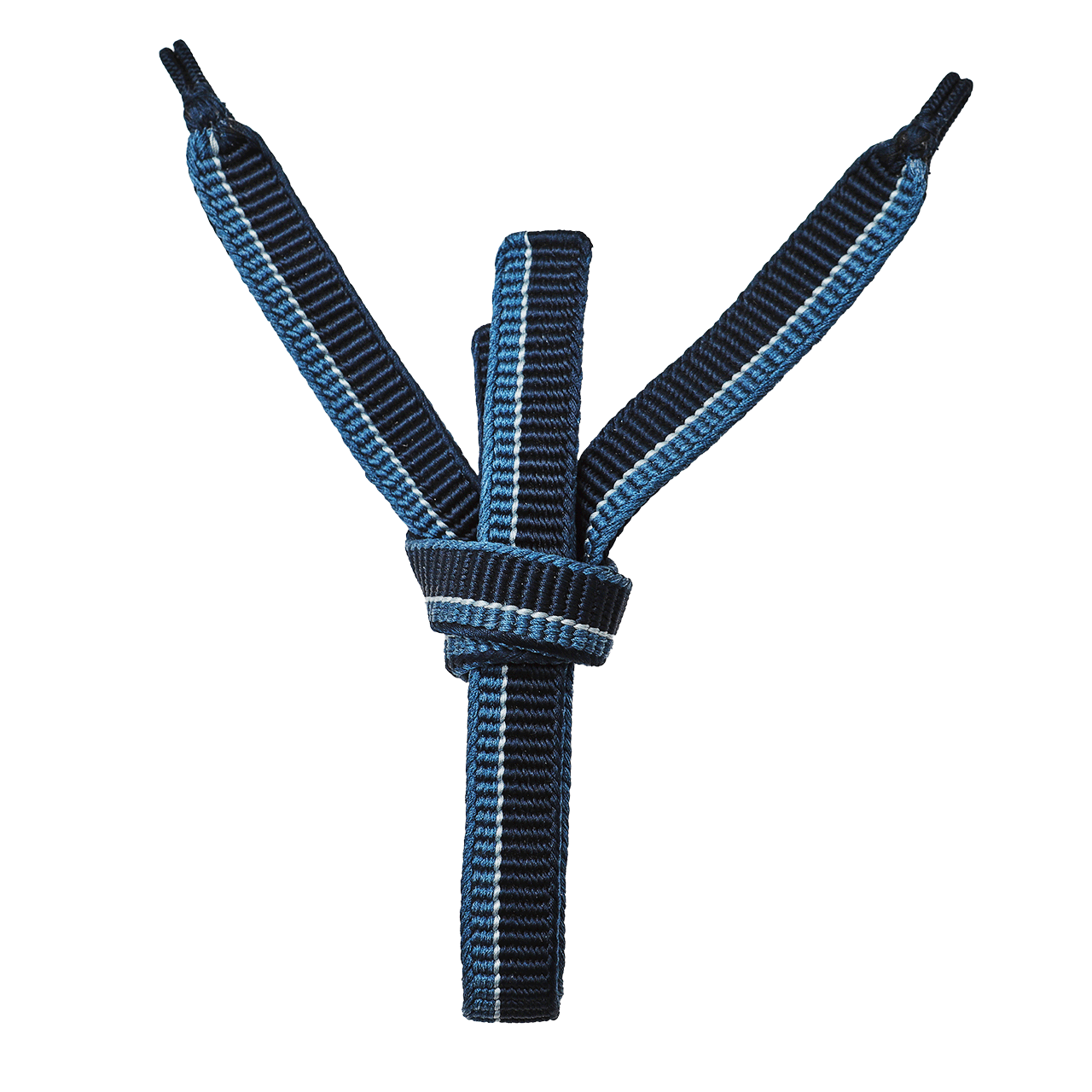
In the past, haori-himo were mainly made in classic colours such as navy, grey, and brown. In recent years, however, Nakamura has also been exploring brighter colours and patterned designs.
There are two main ways to attach haori cords: directly tied to the haori, or attached with S-hooks.
For the direct method, larger loops called otsubo are used, and the cord is tied each time the haori is worn.
With the S-hook method, smaller loops called kotsubo are used together with metal S-hooks, sold separately. This allows the haori cord to be put on and taken off while still tied.
If S-hooks are attached directly to otsubo, the balance can look awkward. For this reason, when using S-hooks, Nakamura recommends choosing kotsubo, or learning how to tie the cords directly.

Left: kotsubo / Right: otsubo


Today, Nakamura often has opportunities to meet customers through in-store demonstrations and other events. In the past, however, his work was mainly with wholesalers, so he rarely had the chance to see the people who would actually use his pieces.
Through demonstrations and meeting people who wear kimono, he says he came to realise the importance, and the enjoyment, of coordination.
Nakamura now says that his purpose is not only to create a beautiful piece on its own, but to make the overall coordination look wonderful. For that reason, his expression has gradually moved in a more restrained direction.

A natural shade of white that blends with the overall kimono look while gently enhancing it.

Nakamura says he had long felt that craftspeople were often not properly rewarded for their work.
For the craft to continue, he believes there must be an environment where craftspeople can grow. To create that environment, he feels it is first important for more people to know about the work.
He wants to make things that are better, things people want, and things that are useful in people’s lives.
With this in mind, he made the decision to begin submitting works to the Traditional Kogei Exhibition, creating more opportunities for his work to be seen by a wider audience. He has also been certified as a Traditional Craftsman of Chiba Prefecture.
Until then, even while making kumihimo, he says he did not really feel that his work was helping someone.
“What makes me happy is when my work goes into someone’s hands and brings them joy.”
“I want every piece I make to be worn by someone.”
For Nakamura, what matters is creating pieces that truly suit the kimono and obi they are worn with. He hopes to preserve what he can through his own area of expertise.
Today, he says, it is obijime and haori cords that he most wants to continue making.
During the exhibition, visitors will also be able to see Nakamura demonstrate on the ayatakedai braiding stand.
We hope you will take this opportunity to experience his skilled and beautiful handwork up close, as well as the unique texture that only hand-braided kumihimo can offer.