 名古屋帯
名古屋帯
 袋帯
袋帯
 紬・綿・自然布
 小紋・江戸小紋
 訪問着・付下げ・色無地ほか
 浴衣・半巾帯
 羽織・コート
 肌着
肌着
 小物
小物
 履物
履物
 書籍
書籍
 長襦袢
長襦袢
 小物
小物
 帯
帯
 お召
お召
 小紋・江戸小紋
 紬・綿・自然布
 袴
袴
 長襦袢
長襦袢
 浴衣
浴衣
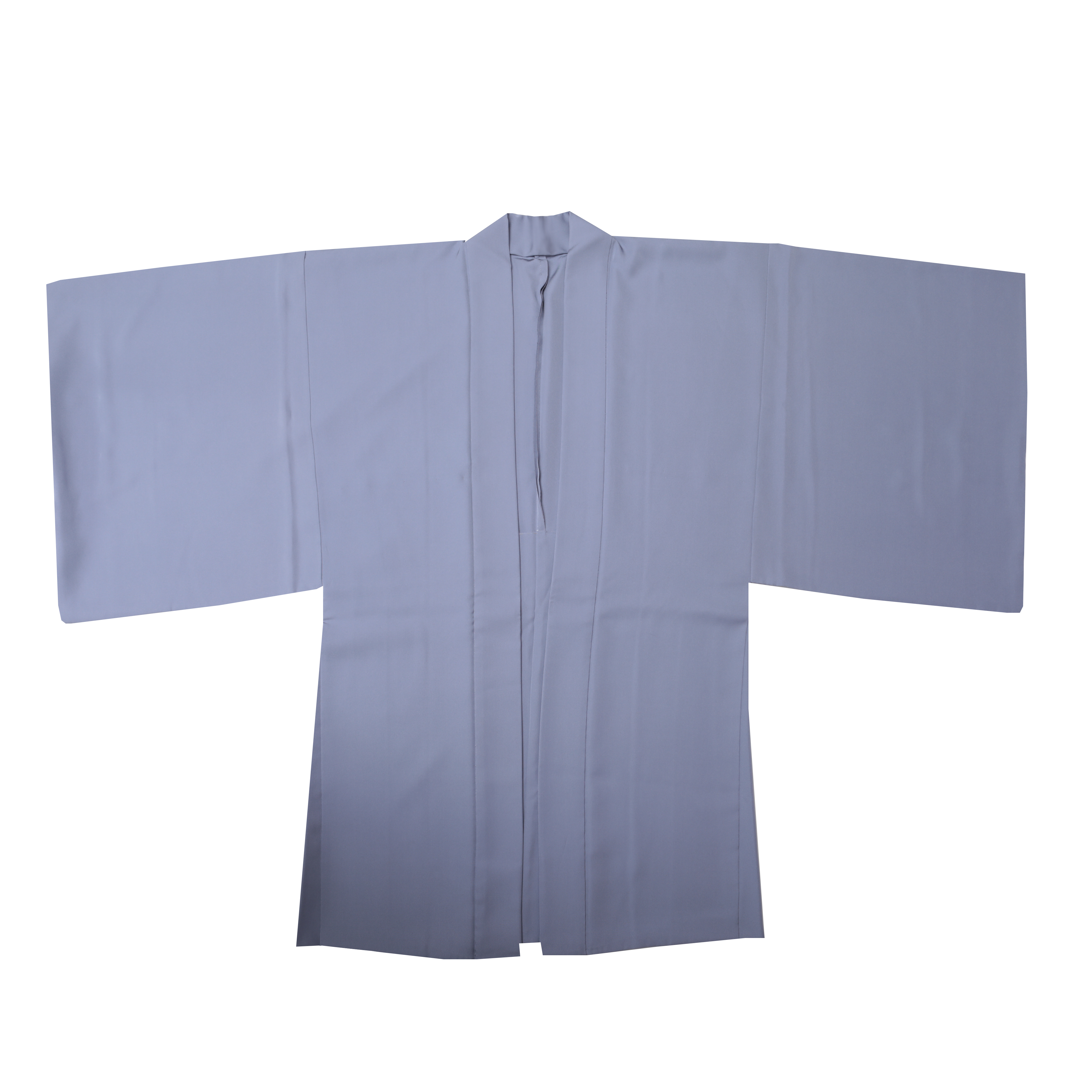 羽織・コート
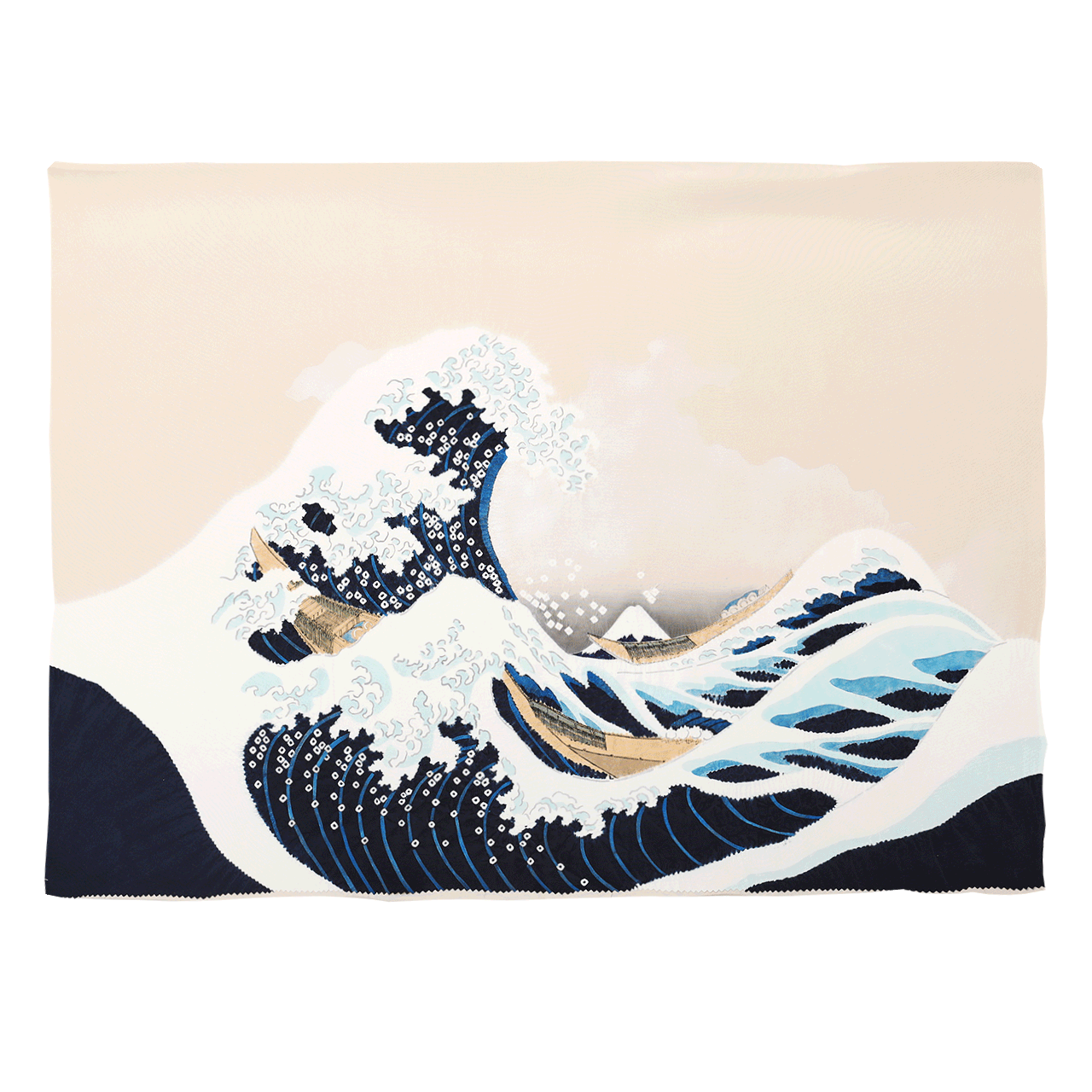 額裏
額裏
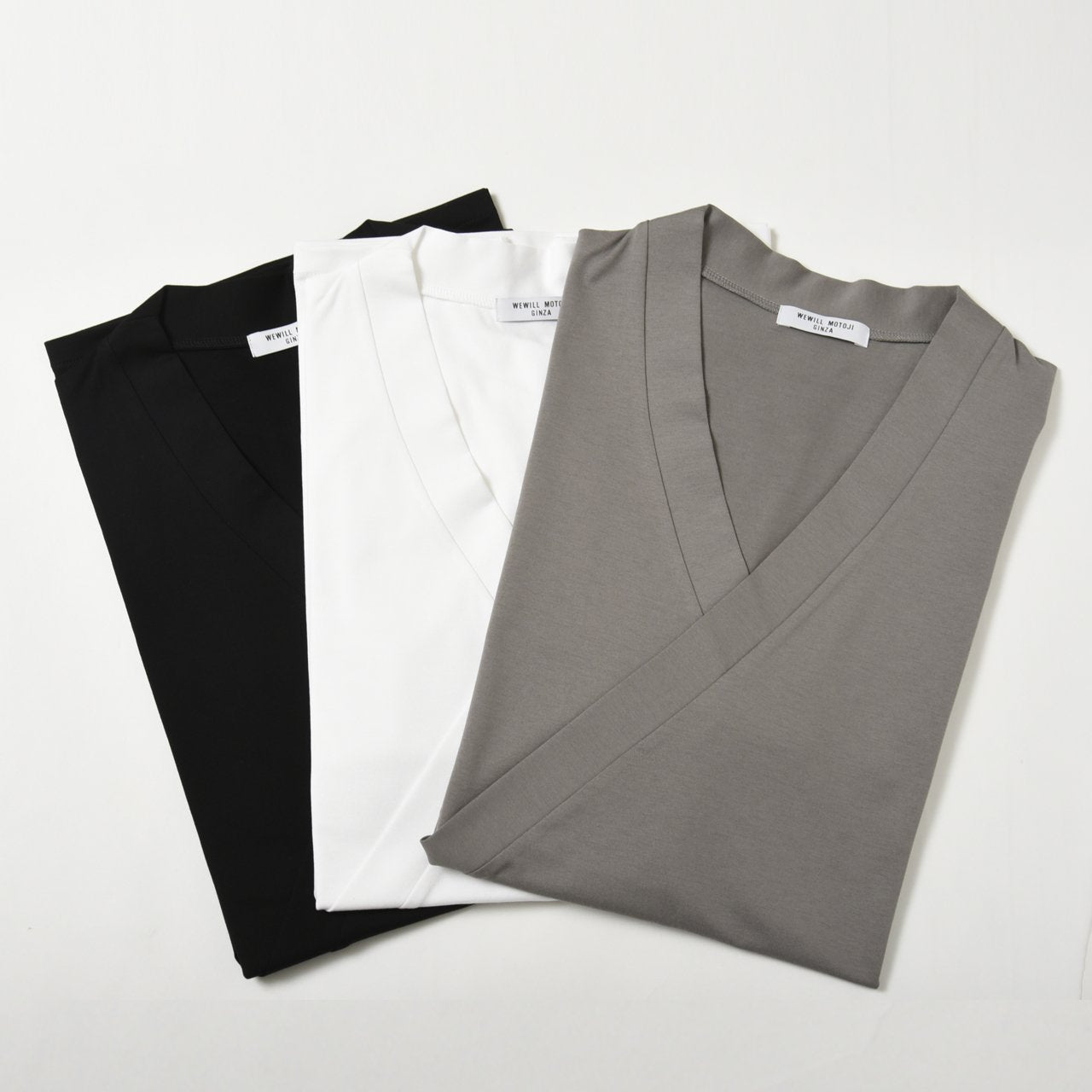 肌着
肌着
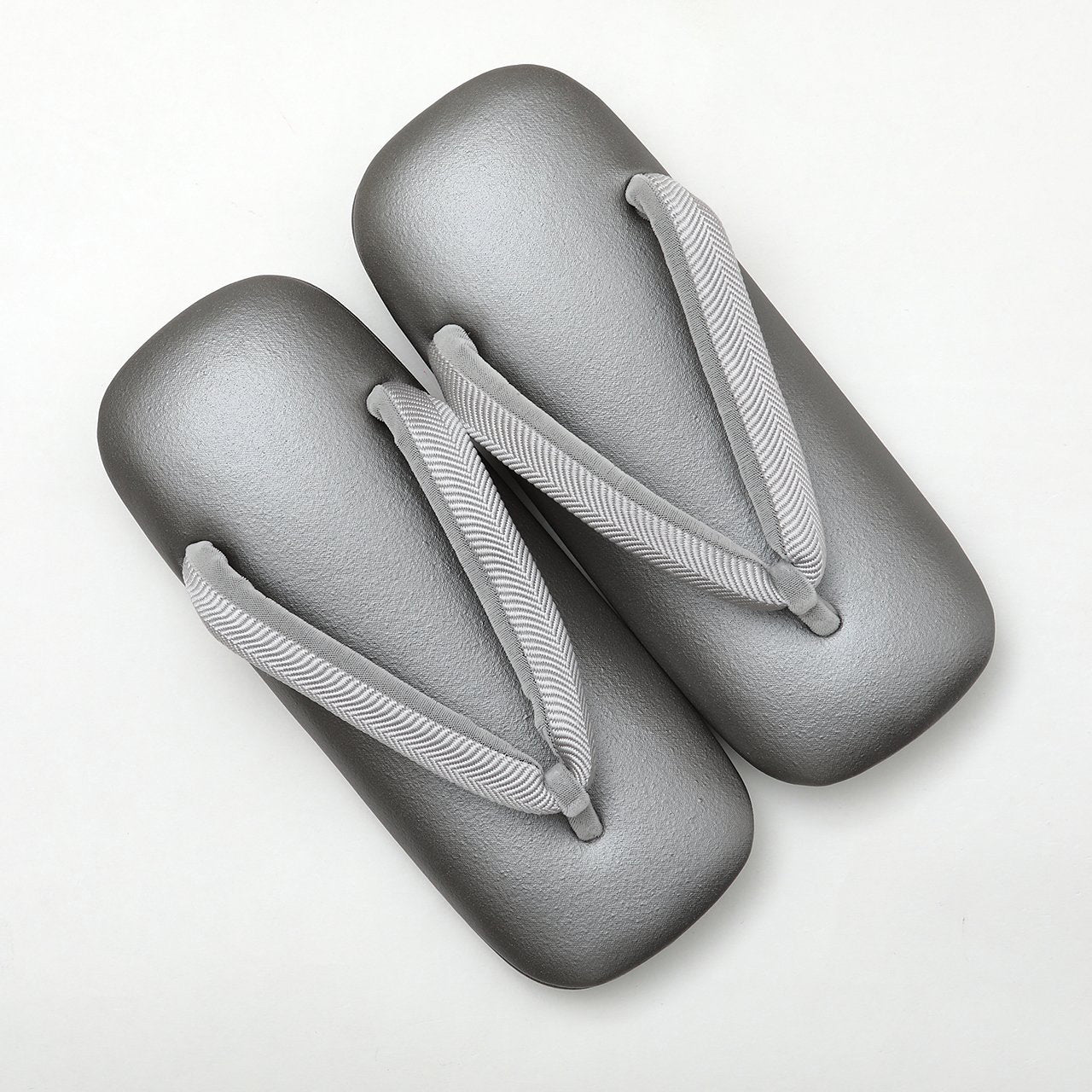 履物
履物
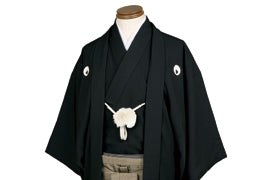 紋付
紋付
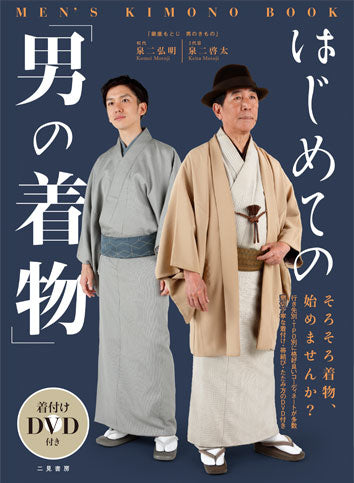 書籍
書籍

With roots in the far flung island of Hachijo-jima, Woven with natural dyed threads in central Tokyo.
The gentle colours of natural dyes, catching the light on the uniquely ridged surface. The weave Yoshino-Kando born in the Edo period, still being woven with a contemporary sense of color and rhythm. Fujiyama Chiharu, and her daughter Fujiyama Yuko, continue this weaving traditional in there workshop in central Tokyo.

In the garden of the Fujiyama home-cum-workshop, plants used to extract dye such as Kusaki (Harlequin glorybower), Yashabushi(Alnus firma) and many more, provide shade in the outdoor workspace. Freshly dyed thread are hung to dry on a wooden beam under the eaves out of direct sunlight.

In a shadowy part of the garden, a hole was dug in the ground to house the temperamental indigo vat. A majority of weavers and dyers send their threads to a specialist indigo dyer for dyeing, as maintaining an indigo vat is a huge amount of work.
"Taking care of my indigo is difficult, but that's where I am particular, I want to do it all myself and have complete control... Maybe its just my pride as a maker..." Chiharu laughs as she tells us.
 The bark and the cones of the Yashabushi (Alnus Firma) both produce different colors.
"When I was a girl, I used to help remove the leave from the fruits." Yuko reminisces. "Even though I am far away, I always think of the nature of the Islands, and the desire to give back by continuing to create beautiful textiles remains my driving force."

After weaving for over half a century, Chiharu says, "I'm glad I chose to weave Yoshino-Kando"
Yoshino-Kando is favoured by Tea Ceremony Masters, and it is said to have been named after being gifted by a wealthy Kyoto merchant to the renowned courtesan Yoshino Tayu. It is woven in a unique way, layering a float weave on top of plain weave to create a three-dimensional effect resembling Sanada-himo. Yoshihiro Yanagi, the nephew of Soetsu Yanagi(the founder of the Mingei movement), and others helped restore this technique. After graduating at the top of her class from Joshibi University of Art and Design, Chiharu Fujiyama became the first apprentice at Yoshihiro Yanagi's studio, where she encountered Yoshino-Kando, a fateful meeting."

At Yanagi’s Setagaya atelier, there’s a specific loom used for weaving Yoshino-kando, which was mainly operated by Chiharu. During her live-in apprenticeship, she even turned a closet into a bunk bed to fully focus on her training. When she eventually became independent, her mentor designed a loom that could fit in a narrow space, just for her.
One of the larger looms in her current studio, built by the same carpenter who constructed the Mingeikan (Japan Folk Crafts Museum), holds special memories. Chiharu used to weave with her daughter Yuko strapped to her back, using a sling to keep her secure. Although Yuko doesn’t remember much from that time, she fondly recalls the soothing sound of the loom like a lullaby. As a child she remembers working on a school project dyeing with onions, and growing up surrounded by the art of weaving and dyeing.

Even after becoming independent, orders for Yoshino-kando flowed in, and one loom after another was added to keep up with the demand. Before long, the workshop grew to a scale of 10 people. Yoshino-kando gradually became synonymous with Chiharu Fujiyama.
"I'm glad I chose to weave Yoshino-Kando" Chiharu reminisces.
Chiharu-san says with conviction, "Yoshino-Kando's beauty lies in the fact that the floating weave allows the colors of the threads to come out directly, creating a lustrous surface. It has a really striking beauty."
Yuko-san similarly highlights the striking impact of the warp thread colors being woven directly without interference from the weft, and the highly reflective surface of the silk brightens the face of the wearer.
The sense of gratitude in weaving Yoshino-Kando became even more solidified when they visited Jakkosan Joshoji Temple in Kyoto, where Yoshino Dayu is enshrined.

"I am glad I can leave my workshop to my daughter" Chiharu-san
"My mother has a genius sense for colour" Yuko-san
Chiharu founded the workshop more than half a century ago, and Yuko joined nearly 20 years ago. These days the various tasks of design and weaving are split between them. Yuko has also taken over the general workshop management, including jobs such as arranging the dyeing of the thread, giving warp/weft and design instructions to other weavers, and managing progress.
Twenty years ago, when Yuko was still an office worker, Chiharu told her directly, “I want you to take over the workshop,” and Yuko accepted it very naturally.
Her life changed completely from working at a desk with a PC to working in the workshop with silk thread. She says she “became able to feel temperature and the seasons.”
They respect each other’s strengths and personalities, and they almost never clash.
Yuko says, “My mother has a genius sense for colour, so I feel lucky to have such a good teacher.”
Chiharu says, “Yuko has far more knowledge. She has qualities different from mine. I’ve never given her advice even once.” She places great trust in Yuko and hopes she will keep pursuing a world that is uniquely her own.
 On Yuko’s loom, the popular “Color Palette” is now being woven.
When adding float weave in both the warp and the weft, they use a six-shaft setup, so the footwork to lift and lower the warp threads becomes more complex.

A brief look at some works, and the various weaves of both FUJIYAMA Chiharu & Yuko.
Nagoya Kyusun Obi
Yoshino Kando (Warp and Weft Kando)
With both floating warp and wefts, the bright and gorgeous shadesof natural dyes can be seen in all their glory.

Yoko Kando
Using only floating threads in weft, a slightly lighter yet elegant work is created. Multiple colors blend together to create a harmony of natural dyes.


Monsha-ori
Thicker threads woven together in an open weave, slightly sheer, perfect for the slightly warmer months.

Kimono
To wear Yoshino Kando from head to toe is nothing short of luxurious. The shine of the the floating warps and wefts with brigten you, and make you feel center stage. When making kimono, finer threads are used than for obi, making for a huge amount of work. A bolt of cloth for a kimono is also nearly 13 meters, which makes each bolt an aboslute feat.

Mens Kaku-obi
Dyed in a stylish deep brown, this obi can be used from tsumugi to edo-komon, and even under hakama.
